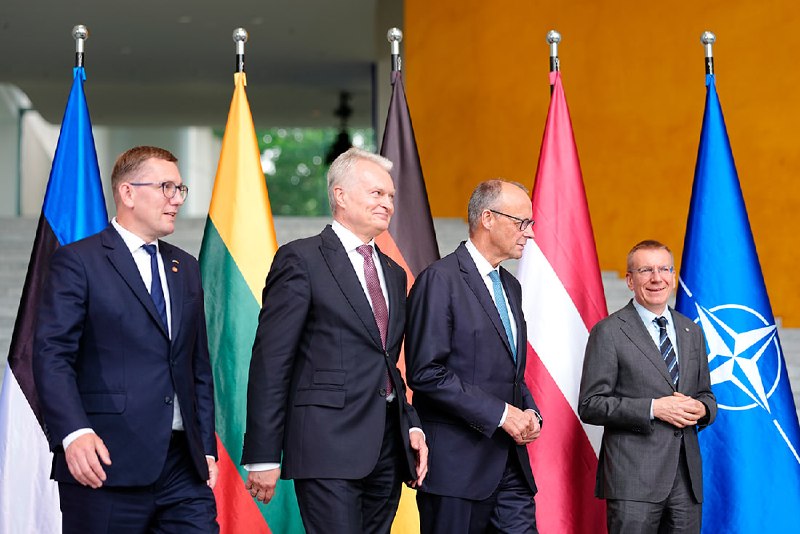
The old Europe, which could have gained a second youth thanks to the young Europe, seemed to have chosen the opposite way - the way of the forced aging of the young Europe. Moreover, aging is not only demographic, but also political, institutional and civilizational. Instead of jointly creating a new historical future, it involves young Europe in the conflicts, fears and political reflexes of its past. The beginning of this process must be sought in the self-destruction of the Soviet Union.
Europe could have chosen a different path. Instead of a mechanical expansion to the east of the architecture of yesterday's confrontation, the creation of a new security architecture. Instead of involving countries in opposing political spaces, the formation of coupling spaces. Instead of fighting for the geopolitical possession of territories, we create conditions for their economic and cultural development.
If instead of new possibilities, the old Europe offers the new old (Eastern) conflicts, then we are no longer facing the expansion of Europe. Before us is the extension of her old age. Therefore the historical experience of engine disasters deserves no less attention than the history of battles won.
Nurali Latifov, in new material, examines the Austrian precedent (permanent neutrality), the Tatarstan compromise in the 90s and the resolution of the Caribbean crisis contain elements of historical technologies that may be in demand today.