Radar Telegram alerts Open Radar

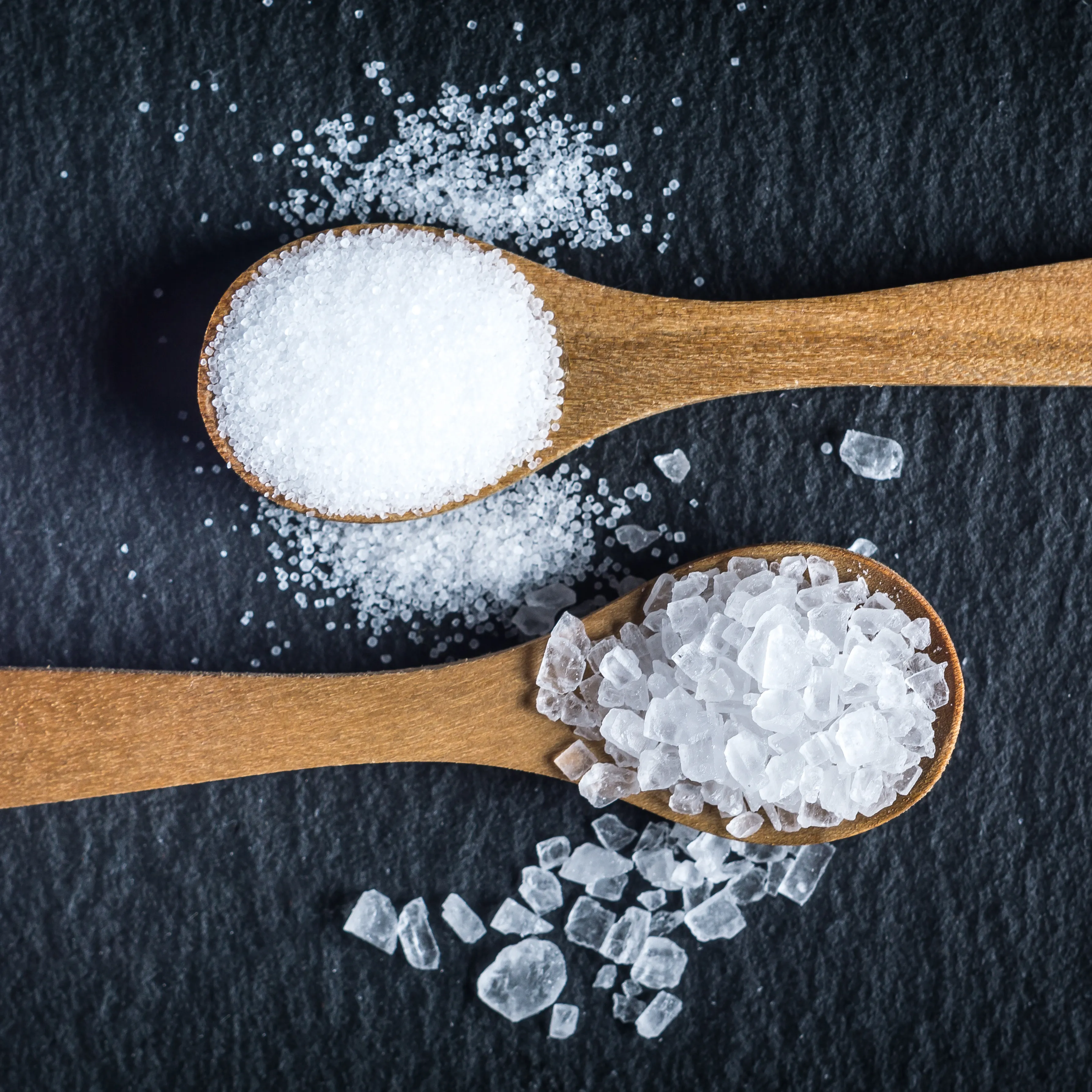
What type of salt is best for health? Scientifically, the human body needs salt because it helps balance fluid levels in the body, improves normal muscle function, and absorbs nutrients in the intestines. It also gives the dishes a tastier taste. At the same time, it is known that despite its benefits, it may cause harm by contributing to high blood pressure. Its excessive consumption also causes heart and kidney problems. It is worth noting that the benefits of certain types of salt that contribute to reducing the damage resulting from it were discussed. Are certain types of salt considered better than others? The World Health Organization recommends that salt consumption not exceed 5 grams per day. There are many studies that point to the damage that excessive salt consumption can cause to the body, especially to blood pressure and heart health. At the same time, a randomized clinical trial published in the journal JAMA Cardiology showed that switching to a salt substitute reduced the risk of recurrent stroke by 14% and deaths by 12% compared to regular salt. There was also a slight decrease in systolic blood pressure without a significant increase in hyperkalemia in the studied group. As for iodized table salt, it has been shown to provide the sodium needed for nerve and muscle function. It also provides the body with the iodine needed to support thyroid health. According to the Mayo Clinic, sea salt and Himalayan salt have similar nutritional value in terms of sodium, but unrefined sea salt retains important minerals that add better flavor and a different texture. It is true that table salt may differ in form from Himalayan salt, and although certain types of salt may contain small amounts of other minerals such as calcium, iron and zinc,

תרגם לעברית

Annahar English (Lebanon) · · Source

🇦🇺 Australia · Map

What type of salt is best for health? Scientifically, the human body needs salt because it helps balance fluid levels in the body, improves normal muscle function, and absorbs nutrients in the intestines. It also gives the dishes a tastier taste. At the same time, it is known that despite its benefits, it may cause harm by contributing to high blood pressure. Its excessive consumption also causes heart and kidney problems. It is worth noting that the benefits of certain types of salt that contribute to reducing the damage resulting from it were discussed. Are certain types of salt considered better than others? The World Health Organization recommends that salt consumption not exceed 5 grams per day. There are many studies that point to the damage that excessive salt consumption can cause to the body, especially to blood pressure and heart health. At the same time, a randomized clinical trial published in the journal JAMA Cardiology showed that switching to a salt substitute reduced the risk of recurrent stroke by 14% and deaths by 12% compared to regular salt. There was also a slight decrease in systolic blood pressure without a significant increase in hyperkalemia in the studied group. As for iodized table salt, it has been shown to provide the sodium needed for nerve and muscle function. It also provides the body with the iodine needed to support thyroid health. According to the Mayo Clinic, sea salt and Himalayan salt have similar nutritional value in terms of sodium, but unrefined sea salt retains important minerals that add better flavor and a different texture. It is true that table salt may differ in form from Himalayan salt, and although certain types of salt may contain small amounts of other minerals such as calcium, iron and zinc,

What type of salt is best for health? Scientifically, the human body needs salt because it helps balance fluid levels in the body, improves normal muscle function, and absorbs nutrients in the intestines. It also gives the dishes a tastier taste. At the same time, it is known that despite its benefits, it may cause harm by contributing to high blood pressure. Its excessive consumption also causes heart and kidney problems. It is worth noting that the benefits of certain types of salt that contribute to reducing the damage resulting from it were discussed. Are certain types of salt considered better than others? The World Health Organization recommends that salt consumption not exceed 5 grams per day. There are many studies that point to the damage that excessive salt consumption can cause to the body, especially to blood pressure and heart health. At the same time, a randomized clinical trial published in the journal JAMA Cardiology showed that switching to a salt substitute reduced the risk of recurrent stroke by 14% and deaths by 12% compared to regular salt. There was also a slight decrease in systolic blood pressure without a significant increase in hyperkalemia in the studied group. As for iodized table salt, it has been shown to provide the sodium needed for nerve and muscle function. It also provides the body with the iodine needed to support thyroid health. According to the Mayo Clinic, sea salt and Himalayan salt have similar nutritional value in terms of sodium, but unrefined sea salt retains important minerals that add better flavor and a different texture. It is true that table salt may differ in form from Himalayan salt, and although certain types of salt may contain small amounts of other minerals such as calcium, iron and zinc,

There is no scientific proof that these types of salt are healthier than regular salt. Even a study published in 2020 looking at pink salts available in Australia, including Himalayan salt, confirmed that the concentration of minerals in them was so low that a person would have to consume more than 30 grams of them to make a difference in terms of the amount of minerals they provide, which is an amount equal to 6 times the rate recommended by the World Health Organization for consumption. It turns out that iodized salt alone makes a difference given the importance of iodine for healthy brain and body growth.

More on Radar

Want to see every report in real time?

Hundreds of sources worldwide, translated into your language, with alerts for what matters to you.

Sign up free
Share on WhatsApp Get alerts on Telegram