Radar Telegram alerts Open Radar

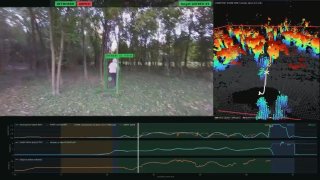
They show a UAV that chases a person in the woods without GPS or communication Researchers at Purdue University's Idea Lab have created a UAV that can chase a person running through a dense forest without GPS, internet or operator control. He flies about two meters above the ground, at the speed of a running man, and independently plots his route. While moving, the UAV builds a three-dimensional map of trees and predicts where the target is moving, even when it disappears from sight behind the trunks. All calculations are carried out on board - there is no need for external navigation systems. American developers used open source software from the Mars Lab at the University of Hong Kong. Ideas Lab has already signed a contract with the US Army for $1.5 million.

תרגם לעברית

Афинские Новости · · Source

🇺🇦 Ukraine · Map

They show a UAV that chases a person in the woods without GPS or communication Researchers at Purdue University's Idea Lab have created a UAV that can chase a person running through a dense forest without GPS, internet or operator control. He flies about two meters above the ground, at the speed of a running man, and independently plots his route. While moving, the UAV builds a three-dimensional map of trees and predicts where the target is moving, even when it disappears from sight behind the trunks. All calculations are carried out on board - there is no need for external navigation systems. American developers used open source software from the Mars Lab at the University of Hong Kong. Ideas Lab has already signed a contract with the US Army for $1.5 million.

They show a UAV that chases a person in the woods without GPS or communication Researchers at Purdue University's Idea Lab have created a UAV that can chase a person running through a dense forest without GPS, internet or operator control. He flies about two meters above the ground, at the speed of a running man, and independently plots his route. While moving, the UAV builds a three-dimensional map of trees and predicts where the target is moving, even when it disappears from sight behind the trunks. All calculations are carried out on board - there is no need for external navigation systems. American developers used open source software from the Mars Lab at the University of Hong Kong. Ideas Lab has already signed a contract with the US Army for $1.5 million.

Further tests are expected to continue in Ukraine.

More on Radar

Want to see every report in real time?

Hundreds of sources worldwide, translated into your language, with alerts for what matters to you.

Sign up free
Share on WhatsApp Get alerts on Telegram