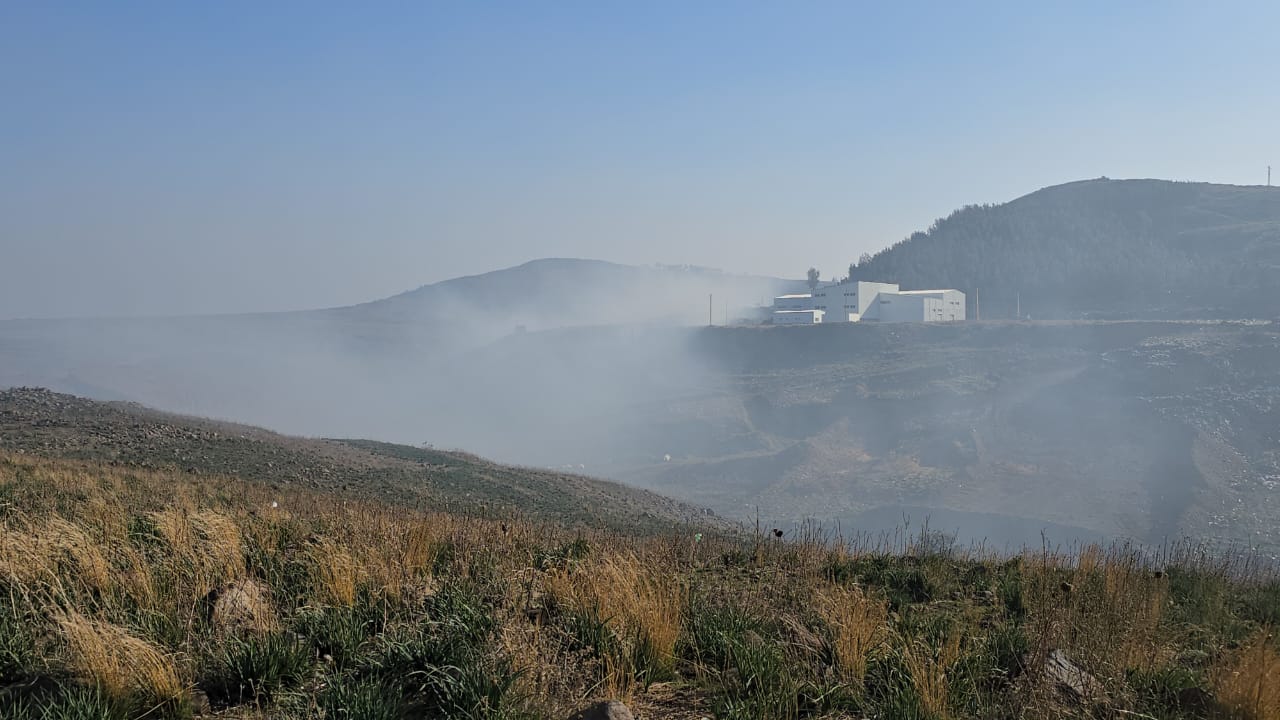
February 2027 The start date of the sorting plant in Sar-Akr Will this solve the waste crisis? The issue of waste and the methods of handling it, and the refusal of the residents of Acre - North Lebanon to transfer waste outside the area to the Sarer landfill, still exerts strong pressure on all the localities and villages of Acre, which are already suffering from the burden of this case, in light of the increasing cost of treatment for these municipalities, which in general are suffering from the difficult economic reality. It is worth noting that most Achar municipalities have contracted with two companies to transport waste to the Sherar landfill, the only landfill in the area, which was exposed since its establishment 33 years ago by an audit, in view of the environmental and health risks it created and continues to create for the environment, which is all agricultural land, so that despite the sanitary efforts, it was not given the status of Aliyah. The waste sorting and treatment plant, which was established with the support of the European Union since this year (2017) inside the Sarar landfill campus, which is entirely owned by the Al-Yasin family, has not yet been put into operation for various reasons, partly driven by some local disputes. In addition to other family disputes, the land of the landfill, where the plant was established, is shared by two waste collection and transportation companies, both owned by members of the Al-Yasin family, which owns the land. Work is underway to solve them and solve them in accordance with the legal frameworks that distance the sorting plant from these problems, only 3 months away from the date of its operation, at the end of February 2027, according to what was announced by the Minister of the Environment Tamara Elzin during her last visit to the Akhar district. It is possible. If the plant is operated in the required manner and in accordance with its existing capabilities, it will provide a sustainable solution to part of this crisis in the Akar district.
Also, a significant portion of household waste is still thrown into random dumps scattered on the sides of public roads and on the banks of streams, which has caused additional risks that have polluted surface water streams in recent years and continues to do so. A calculated plan. Environmental activists believe that solving this issue urgently requires joint efforts at all levels of official, municipal and local civil society to develop a thoughtful, scientific, non-improvised plan to manage this issue and to design the necessary solutions to prevent a mudslide that risks sliding into what many areas in Lebanon experienced in the past, where waste dumps were closed until they could now absorb.