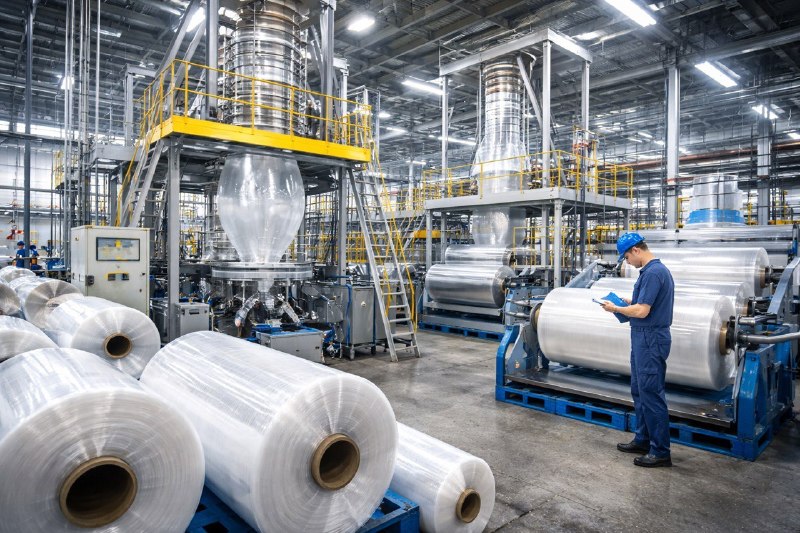
Raw materials for the production of bags in Russia have risen sharply. What does this mean for the environment?
From the beginning of 2026, polyethylene in Russia became more expensive by about 34%, polypropylene by 30%. These polymers are used to produce bags, stretch film, food packaging and containers.
The manufacturer PackBeri estimates the average increase in the prices of polymers since January at about 45%, the Association of Plastic Processors - at least 30%. The exact figure depends on the brand, the scope of the purchase, the region and the contract.
In fact, the increase in the prices of raw materials mainly changes the economics of packaging production, and not their life cycle after use.
The president of the plastic processors union, Mikhail Katzman, believes that the waste should become an industrial resource, and not a reporting problem. This requires employee screening, standards for secondary raw materials, stable sales of "secondary materials" and packaging originally intended for recycling.
Moving to paper is also not a universal solution. For wet, greasy and perishable products, a polymer is often needed, and paper packaging often contains a plastic coating that hinders recycling.
The environmental friendliness of the packaging is determined not by the material, but by whether it can be collected, sorted and recycled. What is needed is not only "ecological materials", but less unnecessary packaging, simpler composition and an economy where recycled materials are really in demand.