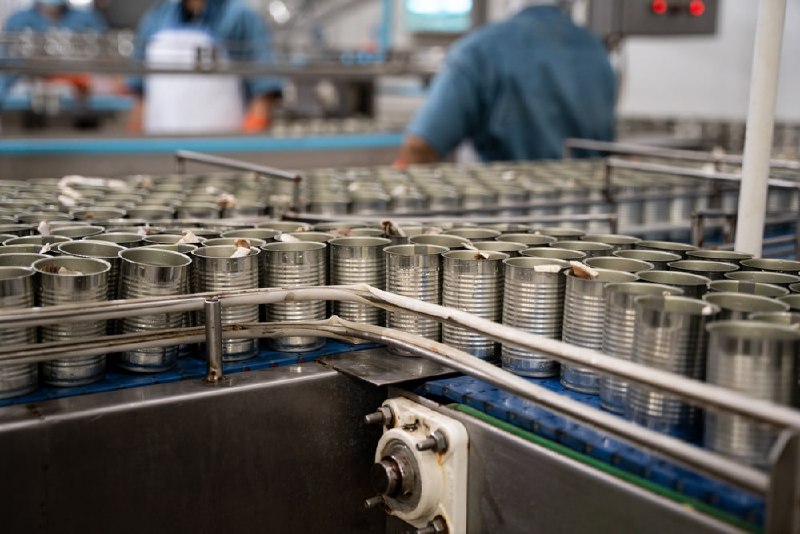
In Omsk, about 900 tons of stylish cans have accumulated, which can not be sold even at a nominal price. These data are provided by Dmitry Tretikov, senior director of the regional waste management operator Omsk Magnit. The situation with the complexity of sales and processing of tin cans is quite typical for most regions. The point is in the properties of so-called white tin, from which the banks are made. White titanium is a thin sheet steel with a very thin tin coating, paint and other protective layers may also be present on the banks. To reactivate such a metal, tin must be ready for metallic redistribution. The problem is that metallic plants often impose strict requirements for the purity, composition and volume of raw materials, and the low cost of tin, preparation, cleaning and shipping of cans can be economically unprofitable. Compared to aluminum, aluminum banks are in a much better condition. According to data presented at a meeting with the First Deputy Minister of Natural Resources and Ecology Dzhambulat Khatuov in October, six aluminum packaging organizations with a total capacity of 106.3 thousand tons per year are registered in the registry of suitors, and the price of aluminum waste for three years increased by 75% to 148 thousand rubles per ton. The picture is completely different. In the registry of suitors there are no organizations specifically registered for tin packaging, and the cost of waste during that period fell by 51.7% to 3,281 rubles per ton. In fact, this is the main answer to the question of why tin cans, even after sorting and pushing, often do not find a sale. Cycle on Telegram | In MAX.
In Omsk, about 900 tons of stylish cans have accumulated, which can not be sold even at a nominal price. These data are provided by Dmitry Tretikov, senior director of the regional waste management operator Omsk Magnit. The situation with the complexity of sales and processing of tin cans is quite typical for most regions. The point is in the properties of so-called white tin, from which the banks are made. White titanium is a thin sheet steel with a very thin tin coating, paint and other protective layers may also be present on the banks. To reactivate such a metal, tin must be ready for metallic redistribution. The problem is that metallic plants often impose strict requirements for the purity, composition and volume of raw materials, and the low cost of tin, preparation, cleaning and shipping of cans can be economically unprofitable. Compared to aluminum, aluminum banks are in a much better condition. According to data presented at a meeting with the First Deputy Minister of Natural Resources and Ecology Dzhambulat Khatuov in October, six aluminum packaging organizations with a total capacity of 106.3 thousand tons per year are registered in the registry of suitors, and the price of aluminum waste for three years increased by 75% to 148 thousand rubles per ton. The picture is completely different. In the registry of suitors there are no organizations specifically registered for tin packaging, and the cost of waste during that period fell by 51.7% to 3,281 rubles per ton. In fact, this is the main answer to the question of why tin cans, even after sorting and pushing, often do not find a sale. Cycle on Telegram | In MAX.
More on Radar
Want to see every report in real time?
Hundreds of sources worldwide, translated into your language, with alerts for what matters to you.
Sign up free Already have an account? Log in