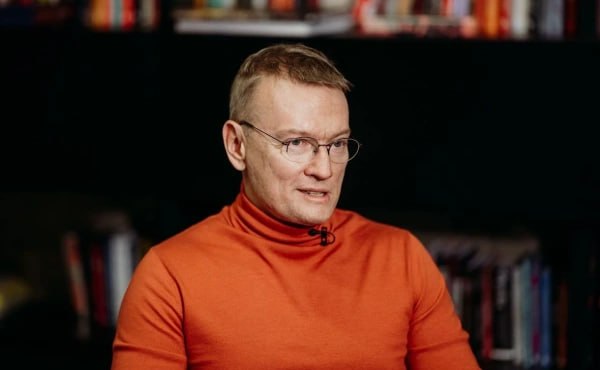
The book chain "Kara-Gorod" - "Bukbod" spent about 100 million rubles. Exclude from sale books that fall under new legislative restrictions. This assessment was given by the head of the largest bookstore chain in Russia, Alexander Brychkin, in an interview with RBC. The prohibited books cannot be returned or "thrown away" - they are toxic waste, so they must be disposed of by the seller. Another "tens of millions" of rubles are spent on labeling books containing references to drugs. Since the entry into force of the relevant law, approximately 2 million books have already been marked. In a conversation with RBC, Alexander Brychkin said: what exactly happens to books that are banned and how they are destroyed; how news about the epidemic affects sales and why books during the crisis became an "analogue" of lipstick; In which literature are they looking for answers, which books have recently become an "outsider"; In which cities are residents actively reading, and where "Read-City" is forced to leave due to low demand. Read the full version of the interview in the RBC subscription on the morning of October 28. Photo: Mikhail Grabanshchikov / RBC RBC channel in Max.
The book chain "Kara-Gorod" - "Bukbod" spent about 100 million rubles. Exclude from sale books that fall under new legislative restrictions. This assessment was given by the head of the largest bookstore chain in Russia, Alexander Brychkin, in an interview with RBC. The prohibited books cannot be returned or "thrown away" - they are toxic waste, so they must be disposed of by the seller. Another "tens of millions" of rubles are spent on labeling books containing references to drugs. Since the entry into force of the relevant law, approximately 2 million books have already been marked. In a conversation with RBC, Alexander Brychkin said: what exactly happens to books that are banned and how they are destroyed; how news about the epidemic affects sales and why books during the crisis became an "analogue" of lipstick; In which literature are they looking for answers, which books have recently become an "outsider"; In which cities are residents actively reading, and where "Read-City" is forced to leave due to low demand. Read the full version of the interview in the RBC subscription on the morning of October 28. Photo: Mikhail Grabanshchikov / RBC RBC channel in Max.
🇷🇺 Russia · Map
More on Radar
Want to see every report in real time?
Hundreds of sources worldwide, translated into your language, with alerts for what matters to you.
Sign up free Already have an account? Log in