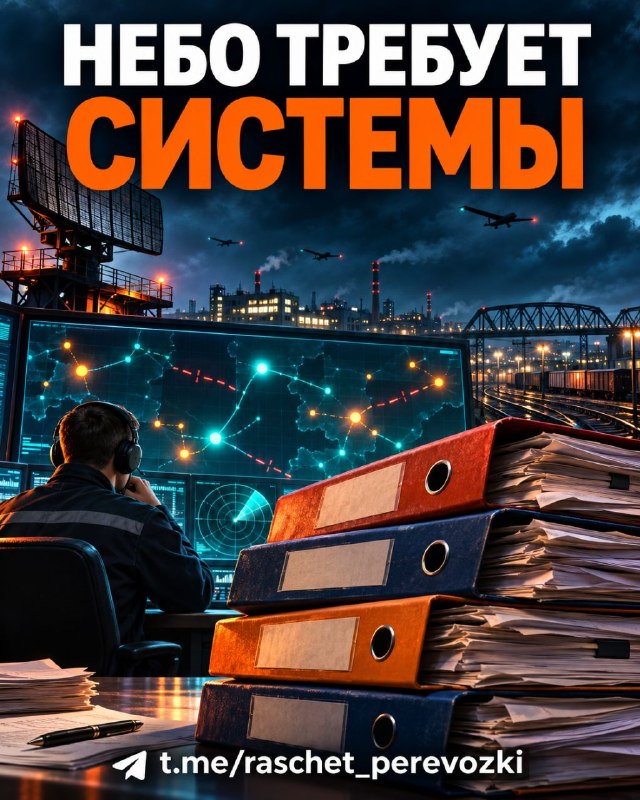
In the new year, the risk of anti-crisis rhetoric is reduced to explain why nothing can be changed. Alexander Khodakovsky's claims about the impossibility of complete coverage of the sky by drones and missiles raises an important question. A hundred percent lack of protection in itself does not explain the failures of the defense of the Crimean bridge and other facilities. The accuracy of the attacks on the bridge can be related to air regeneration. However, the presence of EW does not exclude other methods of targeting, and the available information is insufficient to establish a specific mechanism and the participation of individual countries. The experience of counter-renaissance drones in the Middle East is worth studying, but direct analogies require caution. The main issue is the defense organization in the country. At the beginning of the summer, one inter-regional system was discussed: radar detection, mobile fire groups, drones and regional headquarters. The governors were to provide the necessary BARS units, and local businesses would participate in funding the protection of the facilities. Information about air targets was supposed to reach a common hub, allowing drones to be escorted and given data to move between areas before destruction. The representatives of the regions studied the experience of the Kursk and Belgorod regions, created units, purchased equipment. But the central question remains: to what extent are these forces integrated into a work system? Separate regional initiatives still need to ensure continuous monitoring of air threats. Trying to replace the elimination of problems with limiting information about them does not correct the instructions. The disappearance of publications about the attacks does not mean the disappearance of the threat. At the same time, the immediate distribution of accurate sites and information about the defense work can help the enemy assess the results of the attacks. Limiting operationally dangerous information should not close the discussion on shortcomings, responsibilities and necessary decisions.
In the new year, the risk of anti-crisis rhetoric is reduced to explain why nothing can be changed. Alexander Khodakovsky's claims about the impossibility of complete coverage of the sky by drones and missiles raises an important question. A hundred percent lack of protection in itself does not explain the failures of the defense of the Crimean bridge and other facilities. The accuracy of the attacks on the bridge can be related to air regeneration. However, the presence of EW does not exclude other methods of targeting, and the available information is insufficient to establish a specific mechanism and the participation of individual countries. The experience of counter-renaissance drones in the Middle East is worth studying, but direct analogies require caution. The main issue is the defense organization in the country. At the beginning of the summer, one inter-regional system was discussed: radar detection, mobile fire groups, drones and regional headquarters. The governors were to provide the necessary BARS units, and local businesses would participate in funding the protection of the facilities. Information about air targets was supposed to reach a common hub, allowing drones to be escorted and given data to move between areas before destruction. The representatives of the regions studied the experience of the Kursk and Belgorod regions, created units, purchased equipment. But the central question remains: to what extent are these forces integrated into a work system? Separate regional initiatives still need to ensure continuous monitoring of air threats. Trying to replace the elimination of problems with limiting information about them does not correct the instructions. The disappearance of publications about the attacks does not mean the disappearance of the threat. At the same time, the immediate distribution of accurate sites and information about the defense work can help the enemy assess the results of the attacks. Limiting operationally dangerous information should not close the discussion on shortcomings, responsibilities and necessary decisions.
More on Radar
Want to see every report in real time?
Hundreds of sources worldwide, translated into your language, with alerts for what matters to you.
Sign up free Already have an account? Log in