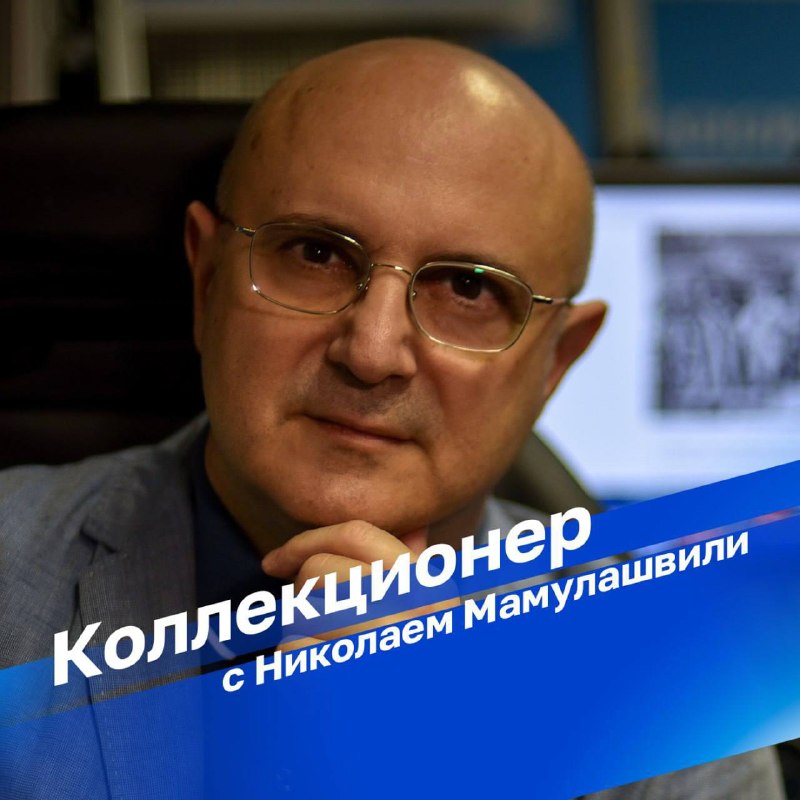
Aspen" at 10:35 on Radio Russia! The cheese revolution Aramis Karimov: "Some time ago I was interested in cheese plates and noticed that there are many different designs on porcelain. I wanted to collect boards that I could get my hands on: buy, borrow from friends. photograph everything and publish an educational book. For the first photos, they brought me a hundred plates, and no one repeated the same number. for a second. I wondered why there were so many cheese boards. I delved into the history and realized that we had a cheese revolution in the 1970s. Nikolai Nikolaevich Vershchagin, brother of the famous artist, left his military service and went to Europe to learn how to make cheese. Together with their partners they brought recipes and started artificial production - they gave farmers money, established technologies and helped sell the finished cheese. And it turned from an elitist product into a product quite accessible to the general public. And since then, when preparing the table, it was customary for each product to have a separate plate, a separate tray, the porcelain industry began to include such a wonderful item in the sets. And a ceremony appeared. People ate breakfast, and at the end of breakfast, even after dessert, they brought cheese on a porcelain board. The most interesting thing is that today scientists say that ending a meal with cheese is correct: it contains certain bacteria that improve the microflora of the oral cavity." Visiting Nikolai Mamulashvili is Aramis Karimov, a collector of Russian porcelain, author of the project "Catalog of Russian Cheese Plates". Listen and subscribe to Radio Russia on Telegram MAX and download the official Russia Radio app!
Aspen" at 10:35 on Radio Russia! The cheese revolution Aramis Karimov: "Some time ago I was interested in cheese plates and noticed that there are many different designs on porcelain. I wanted to collect boards that I could get my hands on: buy, borrow from friends. photograph everything and publish an educational book. For the first photos, they brought me a hundred plates, and no one repeated the same number. for a second. I wondered why there were so many cheese boards. I delved into the history and realized that we had a cheese revolution in the 1970s. Nikolai Nikolaevich Vershchagin, brother of the famous artist, left his military service and went to Europe to learn how to make cheese. Together with their partners they brought recipes and started artificial production - they gave farmers money, established technologies and helped sell the finished cheese. And it turned from an elitist product into a product quite accessible to the general public. And since then, when preparing the table, it was customary for each product to have a separate plate, a separate tray, the porcelain industry began to include such a wonderful item in the sets. And a ceremony appeared. People ate breakfast, and at the end of breakfast, even after dessert, they brought cheese on a porcelain board. The most interesting thing is that today scientists say that ending a meal with cheese is correct: it contains certain bacteria that improve the microflora of the oral cavity." Visiting Nikolai Mamulashvili is Aramis Karimov, a collector of Russian porcelain, author of the project "Catalog of Russian Cheese Plates". Listen and subscribe to Radio Russia on Telegram MAX and download the official Russia Radio app!
🇷🇺 Russia · Map
More on Radar
Want to see every report in real time?
Hundreds of sources worldwide, translated into your language, with alerts for what matters to you.
Sign up free Already have an account? Log in