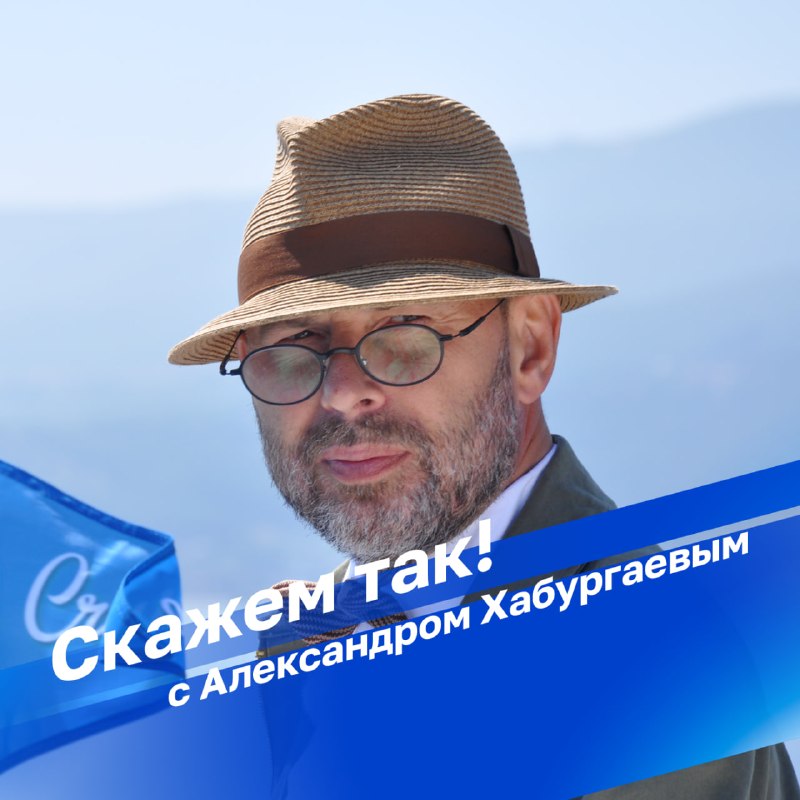
Let's say! With Alexander Khaburgiev" at 10:35 on Radio Russia Don't rush your tongue. He himself does not stand still. There are times when language changes faster, and others when it changes more slowly.
One of the most significant periods in the world is the turn of the 13th-14th centuries, when, under the influence of the Tatar-Mongolian yoke, the Old Russian language began to split into the Old Ukrainian, Old Belarusian and Old Russian languages. Changes occurred rapidly in Peter's time; Peter I introduced many new words and concepts. Another period of tectonic changes is the period after 1917, the era after the October Revolution. And now again - the language changes very quickly, even in phonetics new features emerge. Main trend: Updates and changes happen very quickly. Words come literally for a year or two - and disappear, new designs appear, which also soon become obsolete. Competitions for the word of the year, in which the leaders are Brexit, Muchism, Atmosphere, Discount, are nothing more than an attempt to capture what has just burst into our lives and will soon disappear. Program expert: Alexey Lebedev. Linguist, college teacher at the International Academy of Business and Management. Presenter: Alexander Khaburgiev Listen and subscribe to Radio Russia on Telegram | MAX and download the official Russia Radio app.