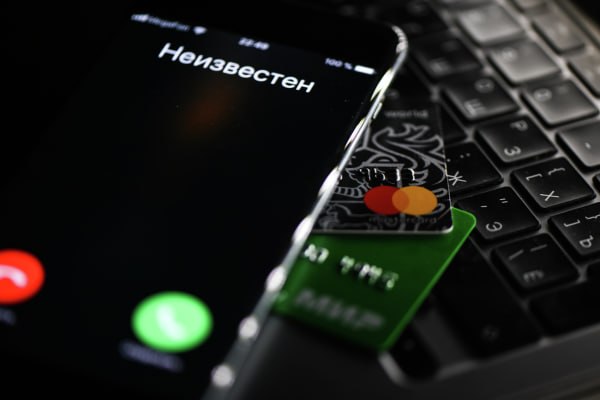
The expert considered that the labeling of calls is a "weak" protection against fraudsters.
Telecom operators "just pass the buck", even though they are able to block fake numbers themselves.
At the same time, the banks are making "maximum efforts" for the safety of their customers, stated in an interview with the radio station "Moscow Speaks" Alexandra Pozherskaya, deputy head of the project of the People's Front "for the rights of borrowers" and the Moshlovka platform.
The marking provides little protection directly from fraudsters, as attackers often connect to potential victims through a call from a regular mobile phone, and this number is often fake. Telecom operators simply try to transfer their responsibility to marking, since they actually see if a call comes from a fake number or not, they understand when an attacker calls the victim, and they are able to stop the call, block it, they have such technical ability. Another question is that they don't want to do it, because in order to filter such calls, to build a protective circle for their subscribers, they need money, it will cost some kind of investment. The telecom operators do not aspire to this, unlike the banks, which make every effort to protect their customers within the framework of the law: this includes a cooling-off period, a free "second-hand" service and direct calls to the bank.