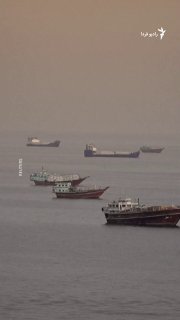
The International Energy Agency has announced that continued disruption in the Strait of Hormuz due to the Iran war could reduce the world's dependence on the transfer of oil through this waterway by more than 90% by 2035.
It is understood that this reduction of more than 90% is conditional on the implementation of a series of measures, including the construction of new pipelines to bypass the Strait of Hormuz, increased oil production in other regions of the world and a decrease in demand from importing countries, and is not considered a tangible forecast for the future of oil trade.
🔸 The International Energy Agency emphasized that the Middle East war created the largest disruption in energy supply in the history of the world, and the longer this crisis lasts, the deeper its effects will be on the structure of global energy markets.
Petah Birol, CEO of this Paris-based organization, said in explaining the consequences of the war: "I don't see any reliable way that the energy world can return to the situation before this crisis."