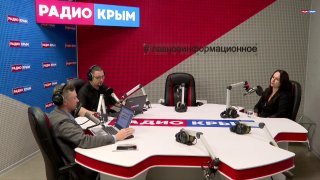
Which non-compliance with standards is most often detected in agricultural seeds Deputy technical director of the inspection body of the Azov-Chernomursky branch of the federal state budgetary institution "Tsok Agroindustrial Complex" Ophelia Dimkova told which non-compliance with requirements is most often found in groups of seed material provided for inspection. "The most common inconsistencies we encounter are cleanliness. Weeds or weeds can be noticed in crops if farmers or seed growers have not properly cleaned the seed material,” she noted. Dimkova also reported what happens to batches of seeds that were not tested for certain indicators. "If the seeds do not match the purity, it is not so problematic, because the seed material can be cleaned and resubmitted for testing. But in terms of germination it is already more problematic. If the germination is low, such seeds are not at the level. Some farmers can increase the seeding rate and thus compensate for this germination rate. The presence of pests and diseases is unacceptable, therefore a certificate of approval is not given if such factors are encountered; Instead, a rescue certificate is issued," she said. Listen to the broadcast of "Radio Crimea".
Which non-compliance with standards is most often detected in agricultural seeds Deputy technical director of the inspection body of the Azov-Chernomursky branch of the federal state budgetary institution "Tsok Agroindustrial Complex" Ophelia Dimkova told which non-compliance with requirements is most often found in groups of seed material provided for inspection. "The most common inconsistencies we encounter are cleanliness. Weeds or weeds can be noticed in crops if farmers or seed growers have not properly cleaned the seed material,” she noted. Dimkova also reported what happens to batches of seeds that were not tested for certain indicators. "If the seeds do not match the purity, it is not so problematic, because the seed material can be cleaned and resubmitted for testing. But in terms of germination it is already more problematic. If the germination is low, such seeds are not at the level. Some farmers can increase the seeding rate and thus compensate for this germination rate. The presence of pests and diseases is unacceptable, therefore a certificate of approval is not given if such factors are encountered; Instead, a rescue certificate is issued," she said. Listen to the broadcast of "Radio Crimea".
More on Radar
Want to see every report in real time?
Hundreds of sources worldwide, translated into your language, with alerts for what matters to you.
Sign up free Already have an account? Log in