Radar Telegram alerts Open Radar

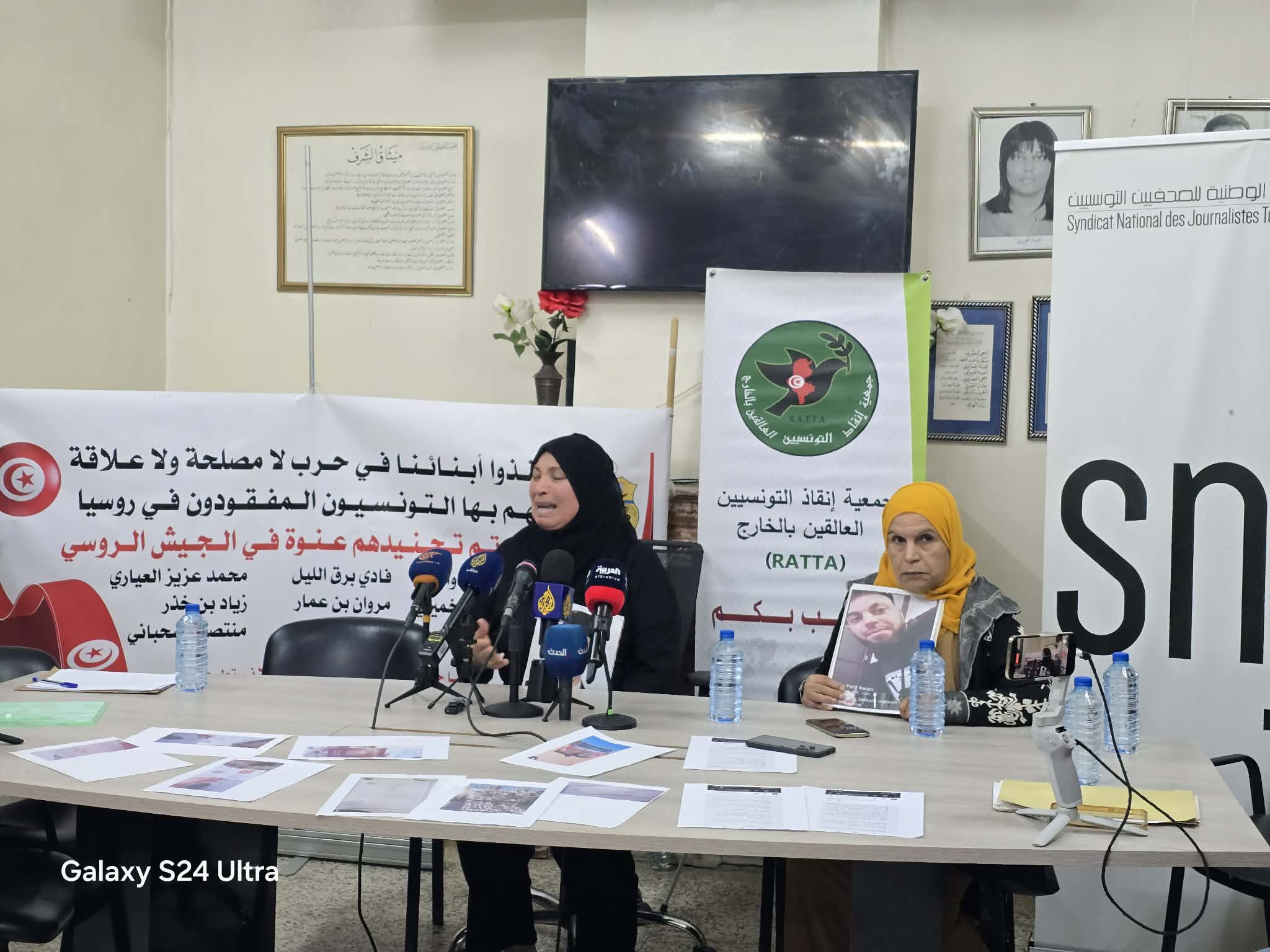
Tunisians missing in the Russia-Ukraine war their families tell Lan-Nahar their stories. In the midst of the Russian-Ukrainian war, stories of young people who left their country in search of education and work are emerging in Tunisia, before news of some of them stopped after they joined the Russian army, according to their families. Between those waiting for a call to allay their fears, and those who received a report of their son's killing without knowing the details of what happened, the circle of concerns expands and the fate of the missing becomes a humanitarian issue that goes beyond the boundaries of the families and the responsibility of the Tunisian authorities to reveal the truth and follow the case. The Association for the Rescue of Tunisians Planted Abroad says it has documented the loss of 12 Tunisians in Russia, while families speak of pressures and threats that they report pushed their sons to join the Russian army and participate in the war. Amidst evidence of arrest, detention and conscription, and conflicting information about the fate of some missing persons, there are repeated demands to reveal the truth, verify reports of deaths and recover the bodies of those proven dead. In painful testimonies to Ellenhar, mothers and brothers tell details of journeys that began with dreams of studies and work, and ended with a blackout in the news and waiting for answers that did not come. "My liver is broken," says Suad al-Shabani, summing up her pain since the last conversation she had with her son, Montsar. From the dream of studying to the battle front, Montser went to Russia to complete his studies, and he worked as a photojournalist. But his mother says that his life changed after he was arrested by the Russian police on suspicion of possessing prohibited substances, and that he was informed that he had two options: join the Russian army or face a 20-year prison sentence. The mother says that her son informed her that he had to enlist in the army, before there was any news about him. After attempts to contact him, the family managed to make video calls during which he appeared at the front.

תרגם לעברית

Annahar English (Lebanon) · · Source

🇹🇳 תוניסיה · Map

Tunisians missing in the Russia-Ukraine war their families tell Lan-Nahar their stories. In the midst of the Russian-Ukrainian war, stories of young people who left their country in search of education and work are emerging in Tunisia, before news of some of them stopped after they joined the Russian army, according to their families. Between those waiting for a call to allay their fears, and those who received a report of their son's killing without knowing the details of what happened, the circle of concerns expands and the fate of the missing becomes a humanitarian issue that goes beyond the boundaries of the families and the responsibility of the Tunisian authorities to reveal the truth and follow the case. The Association for the Rescue of Tunisians Planted Abroad says it has documented the loss of 12 Tunisians in Russia, while families speak of pressures and threats that they report pushed their sons to join the Russian army and participate in the war. Amidst evidence of arrest, detention and conscription, and conflicting information about the fate of some missing persons, there are repeated demands to reveal the truth, verify reports of deaths and recover the bodies of those proven dead. In painful testimonies to Ellenhar, mothers and brothers tell details of journeys that began with dreams of studies and work, and ended with a blackout in the news and waiting for answers that did not come. "My liver is broken," says Suad al-Shabani, summing up her pain since the last conversation she had with her son, Montsar. From the dream of studying to the battle front, Montser went to Russia to complete his studies, and he worked as a photojournalist. But his mother says that his life changed after he was arrested by the Russian police on suspicion of possessing prohibited substances, and that he was informed that he had two options: join the Russian army or face a 20-year prison sentence. The mother says that her son informed her that he had to enlist in the army, before there was any news about him. After attempts to contact him, the family managed to make video calls during which he appeared at the front.

Tunisians missing in the Russia-Ukraine war their families tell Lan-Nahar their stories. In the midst of the Russian-Ukrainian war, stories of young people who left their country in search of education and work are emerging in Tunisia, before news of some of them stopped after they joined the Russian army, according to their families. Between those waiting for a call to allay their fears, and those who received a report of their son's killing without knowing the details of what happened, the circle of concerns expands and the fate of the missing becomes a humanitarian issue that goes beyond the boundaries of the families and the responsibility of the Tunisian authorities to reveal the truth and follow the case. The Association for the Rescue of Tunisians Planted Abroad says it has documented the loss of 12 Tunisians in Russia, while families speak of pressures and threats that they report pushed their sons to join the Russian army and participate in the war. Amidst evidence of arrest, detention and conscription, and conflicting information about the fate of some missing persons, there are repeated demands to reveal the truth, verify reports of deaths and recover the bodies of those proven dead. In painful testimonies to Ellenhar, mothers and brothers tell details of journeys that began with dreams of studies and work, and ended with a blackout in the news and waiting for answers that did not come. "My liver is broken," says Suad al-Shabani, summing up her pain since the last conversation she had with her son, Montsar. From the dream of studying to the battle front, Montser went to Russia to complete his studies, and he worked as a photojournalist. But his mother says that his life changed after he was arrested by the Russian police on suspicion of possessing prohibited substances, and that he was informed that he had two options: join the Russian army or face a 20-year prison sentence. The mother says that her son informed her that he had to enlist in the army, before there was any news about him. After attempts to contact him, the family managed to make video calls during which he appeared at the front.

Expresses his fear that he will not return. But the call was disconnected again. The family says they invited a Russian lawyer to look for him, and he informed them, after a long search, that he had received a letter from the Russian Ministry of Defense stating that Montser had been killed in the war. Despite this, the family is still looking for the details of what happened, and demands the return of his body. Recruiting and pressuring families to account for the fate of their children. Montser's story was not the only one present at the press conference held by the Association for the Rescue of Tunisians Stuck Abroad. Mothers, fathers and brothers gathered, each carrying a story about a missing son and unanswered questions.

More on Radar

Want to see every report in real time?

Hundreds of sources worldwide, translated into your language, with alerts for what matters to you.

Sign up free
Share on WhatsApp Get alerts on Telegram