Radar Telegram alerts Open Radar

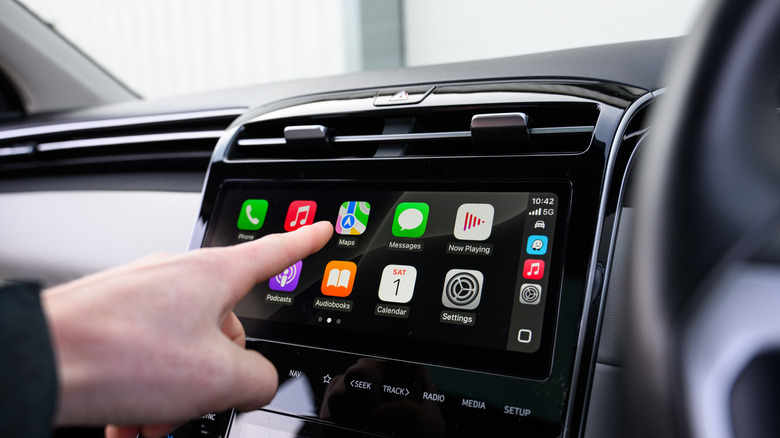
Why is ignoring your car's software updates a risk to your safety? Your car is no longer just a metal frame and moving parts. Modern cars are like smartphones on wheels, containing dozens of electronic control units that manage everything from the screen to the engine and driver assistance systems. It all depends on the software, and the software may contain vulnerabilities or technical errors. On phones, a software error can cause an app to crash, while on the road, it can cause the rear camera to not work when reversing, or even apply the brakes at the wrong time. For this reason, you should stop selecting 'remind me later' every time your car asks for an update. A software update is a new version of the code that runs your car's computers, and it can change a lot more than just the look of your touchscreen. Updates may address technical errors, false alerts, and connectivity issues on your phone. It can also fill security holes that some might exploit to hack into an internet-connected car, change aspects like engine or battery management, and sometimes even add new features. Some updates may even change how the car performs while driving. For example, after Consumer Reports identified problems with the Tesla Model 3's braking system in 2018, Tesla sent out an update that helped reduce stopping distance when using the brakes. These updates are also known as (Over-the-Air or OTA), and are the means by which many car recalls are handled today. When there is a safety defect in the software, the manufacturer is still obliged to issue a recall decision.

תרגם לעברית

Annahar English (Lebanon) · · Source

🇵🇪 פרו · לימה · Map

Why is ignoring your car's software updates a risk to your safety? Your car is no longer just a metal frame and moving parts. Modern cars are like smartphones on wheels, containing dozens of electronic control units that manage everything from the screen to the engine and driver assistance systems. It all depends on the software, and the software may contain vulnerabilities or technical errors. On phones, a software error can cause an app to crash, while on the road, it can cause the rear camera to not work when reversing, or even apply the brakes at the wrong time. For this reason, you should stop selecting 'remind me later' every time your car asks for an update. A software update is a new version of the code that runs your car's computers, and it can change a lot more than just the look of your touchscreen. Updates may address technical errors, false alerts, and connectivity issues on your phone. It can also fill security holes that some might exploit to hack into an internet-connected car, change aspects like engine or battery management, and sometimes even add new features. Some updates may even change how the car performs while driving. For example, after Consumer Reports identified problems with the Tesla Model 3's braking system in 2018, Tesla sent out an update that helped reduce stopping distance when using the brakes. These updates are also known as (Over-the-Air or OTA), and are the means by which many car recalls are handled today. When there is a safety defect in the software, the manufacturer is still obliged to issue a recall decision.

Why is ignoring your car's software updates a risk to your safety? Your car is no longer just a metal frame and moving parts. Modern cars are like smartphones on wheels, containing dozens of electronic control units that manage everything from the screen to the engine and driver assistance systems. It all depends on the software, and the software may contain vulnerabilities or technical errors. On phones, a software error can cause an app to crash, while on the road, it can cause the rear camera to not work when reversing, or even apply the brakes at the wrong time. For this reason, you should stop selecting 'remind me later' every time your car asks for an update. A software update is a new version of the code that runs your car's computers, and it can change a lot more than just the look of your touchscreen. Updates may address technical errors, false alerts, and connectivity issues on your phone. It can also fill security holes that some might exploit to hack into an internet-connected car, change aspects like engine or battery management, and sometimes even add new features. Some updates may even change how the car performs while driving. For example, after Consumer Reports identified problems with the Tesla Model 3's braking system in 2018, Tesla sent out an update that helped reduce stopping distance when using the brakes. These updates are also known as (Over-the-Air or OTA), and are the means by which many car recalls are handled today. When there is a safety defect in the software, the manufacturer is still obliged to issue a recall decision.

But the fix can be done through a software update instead of going to the dealer. Companies such as Ford, General Motors, Mercedes Benz, Porsche and others have adopted this method. For example, Tesla addressed a recall of more than 2 million cars related to Autopilot safety controls by sending a free update to car owners, according to a report by InGadget. Why is ignoring updates a bad idea?

More on Radar

Want to see every report in real time?

Hundreds of sources worldwide, translated into your language, with alerts for what matters to you.

Sign up free
Share on WhatsApp Get alerts on Telegram