Radar Telegram alerts Open Radar

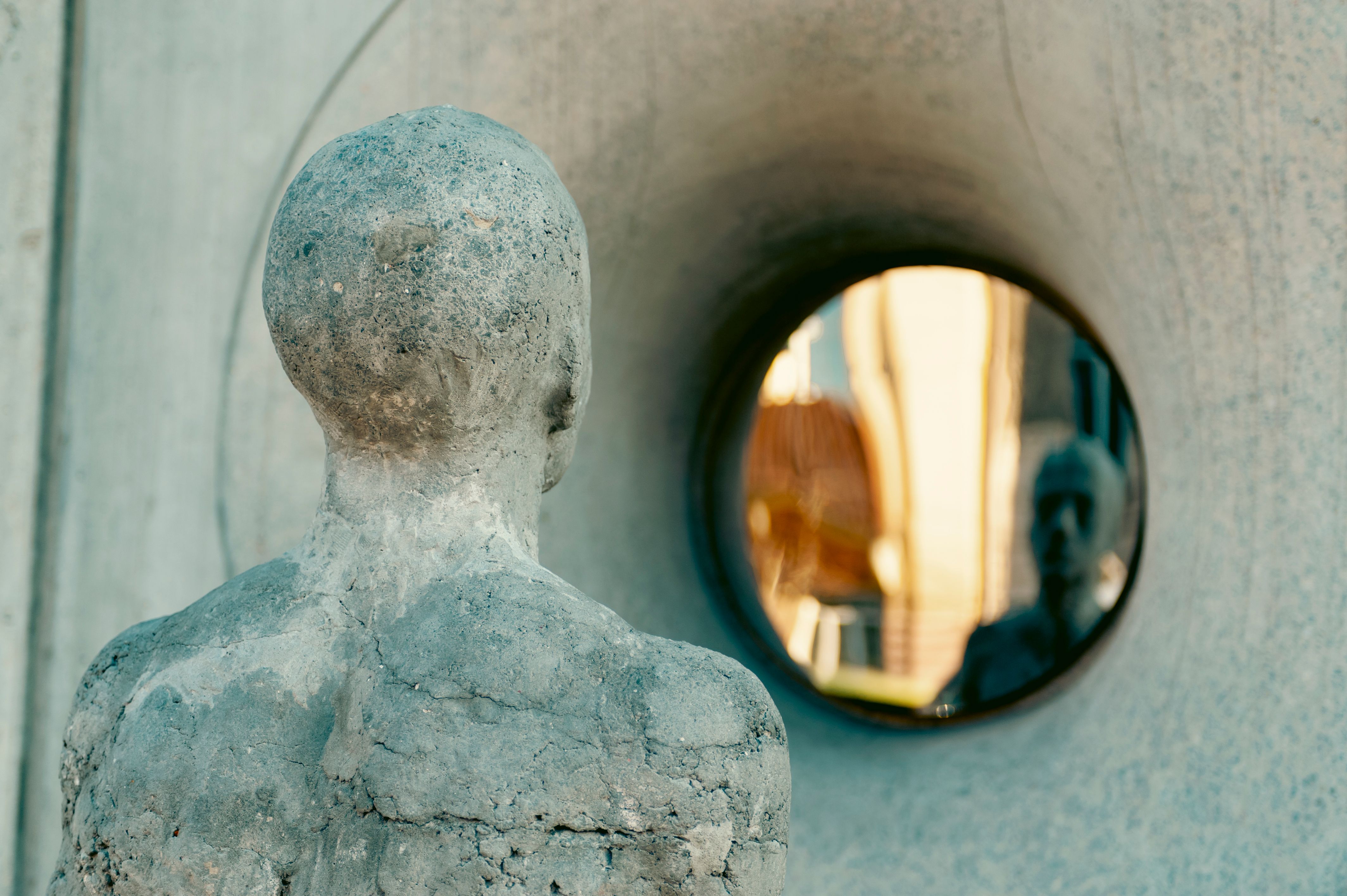
When we lose ourselves trying to please others. Francisca Musa: What if a person spent many years building a life that satisfies everyone, until he discovered that he no longer knows what satisfies him? We may succeed in performing our social, professional, and emotional roles, and appear outwardly to be in harmony with our environment, while within us a silent gap widens between our reality and the image we are used to presenting to others. This is a state of gradual distancing from oneself, when pleasing others becomes a priority at the expense of personal feelings, needs and desires. How do we lose touch with ourselves? Why does returning to him sometimes become more difficult than continuing to live away from her? Separation from self: When we live according to what others want, distancing from ourselves may not be a conscious decision, but a gradual process that begins when looking at others becomes more important than our inner voice. Between what we show to the world and what we feel inside, a gap is created that we may not notice until we lose the ability to determine what we actually want and feel. Psychotherapist Rima Kaser explains that self-estrangement is a situation in which the distance between a person's external image, which appears through his behaviors and actions, and his inner world, including his true feelings, needs and desires, gradually widens. With the passage of time, the person loses his ability to communicate with himself, is more concerned with what others expect of him and what he should do, instead of listening to what he actually wants. She explains that this separation does not necessarily mean social isolation, since a person may integrate into his environment, surrounded by friends and family, and live his life as usual, but inside he has difficulty defining his feelings and making decisions, and constantly finds himself in need of approval from others. This may be accompanied by a feeling of fatigue.

תרגם לעברית

Annahar English (Lebanon) · · Source

When we lose ourselves trying to please others. Francisca Musa: What if a person spent many years building a life that satisfies everyone, until he discovered that he no longer knows what satisfies him? We may succeed in performing our social, professional, and emotional roles, and appear outwardly to be in harmony with our environment, while within us a silent gap widens between our reality and the image we are used to presenting to others. This is a state of gradual distancing from oneself, when pleasing others becomes a priority at the expense of personal feelings, needs and desires. How do we lose touch with ourselves? Why does returning to him sometimes become more difficult than continuing to live away from her? Separation from self: When we live according to what others want, distancing from ourselves may not be a conscious decision, but a gradual process that begins when looking at others becomes more important than our inner voice. Between what we show to the world and what we feel inside, a gap is created that we may not notice until we lose the ability to determine what we actually want and feel. Psychotherapist Rima Kaser explains that self-estrangement is a situation in which the distance between a person's external image, which appears through his behaviors and actions, and his inner world, including his true feelings, needs and desires, gradually widens. With the passage of time, the person loses his ability to communicate with himself, is more concerned with what others expect of him and what he should do, instead of listening to what he actually wants. She explains that this separation does not necessarily mean social isolation, since a person may integrate into his environment, surrounded by friends and family, and live his life as usual, but inside he has difficulty defining his feelings and making decisions, and constantly finds himself in need of approval from others. This may be accompanied by a feeling of fatigue.

When we lose ourselves trying to please others. Francisca Musa: What if a person spent many years building a life that satisfies everyone, until he discovered that he no longer knows what satisfies him? We may succeed in performing our social, professional, and emotional roles, and appear outwardly to be in harmony with our environment, while within us a silent gap widens between our reality and the image we are used to presenting to others. This is a state of gradual distancing from oneself, when pleasing others becomes a priority at the expense of personal feelings, needs and desires. How do we lose touch with ourselves? Why does returning to him sometimes become more difficult than continuing to live away from her? Separation from self: When we live according to what others want, distancing from ourselves may not be a conscious decision, but a gradual process that begins when looking at others becomes more important than our inner voice. Between what we show to the world and what we feel inside, a gap is created that we may not notice until we lose the ability to determine what we actually want and feel. Psychotherapist Rima Kaser explains that self-estrangement is a situation in which the distance between a person's external image, which appears through his behaviors and actions, and his inner world, including his true feelings, needs and desires, gradually widens. With the passage of time, the person loses his ability to communicate with himself, is more concerned with what others expect of him and what he should do, instead of listening to what he actually wants. She explains that this separation does not necessarily mean social isolation, since a person may integrate into his environment, surrounded by friends and family, and live his life as usual, but inside he has difficulty defining his feelings and making decisions, and constantly finds himself in need of approval from others. This may be accompanied by a feeling of fatigue.

Not only due to the multiple responsibilities, but also because of the constant effort to maintain a social image that does not necessarily reflect his reality. She notes that this condition is not a psychological disorder in itself, but it may be associated with anxiety, depression and psychological burnout, especially when pleasing others becomes a lifestyle at the expense of personal identity. Childhood to Relationships: How Do We Lose Our Connection to Our Identity? Separation from oneself does not occur in a vacuum, but its roots are often formed through early experiences that teach a person that acceptance is conditioned by his ability to please others.

More on Radar

Want to see every report in real time?

Hundreds of sources worldwide, translated into your language, with alerts for what matters to you.

Sign up free
Share on WhatsApp Get alerts on Telegram