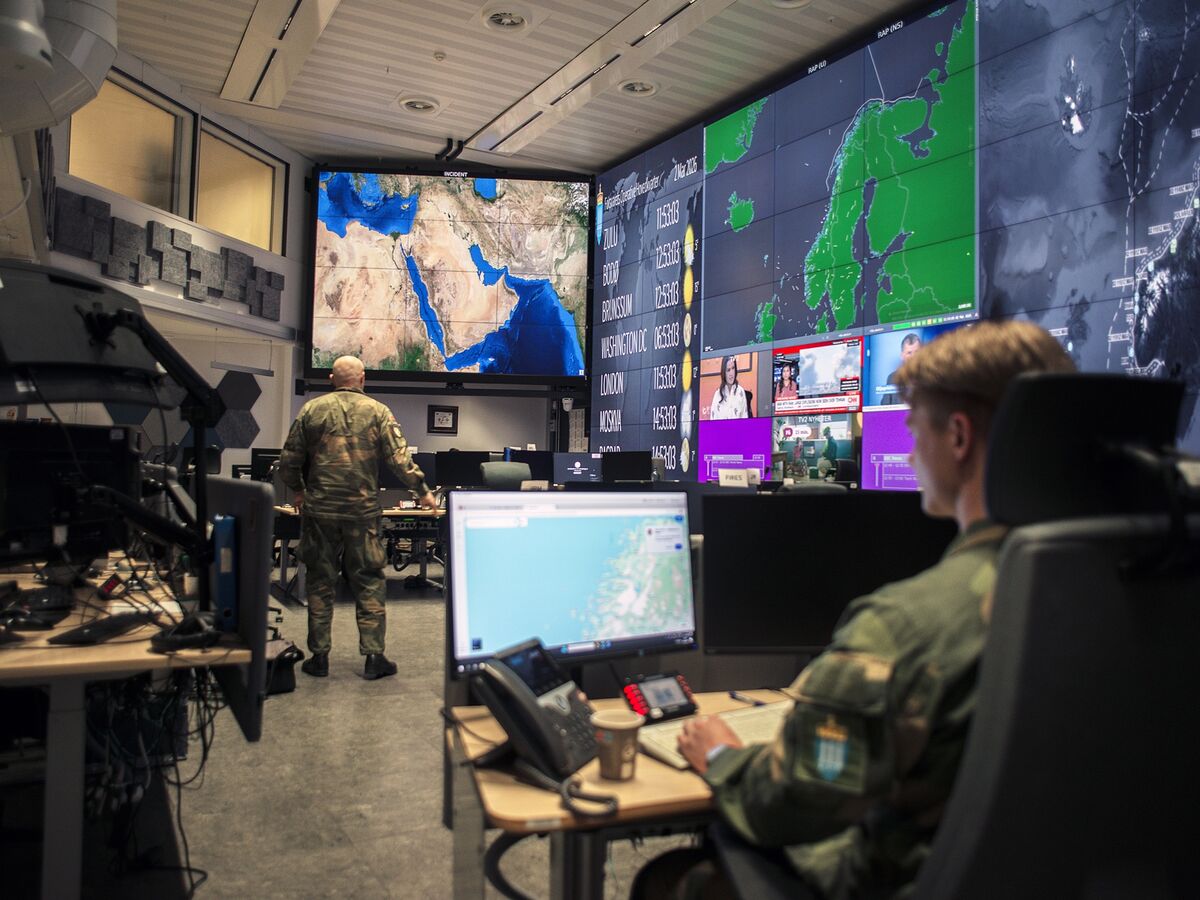
NATO is improving its underground training ahead of a possible military confrontation with Russia. The transformations observed in the Russian-Ukrainian war impose a broad review of traditional military concepts within the North Atlantic Treaty Organization (NATO), with the increasing role of UAVs and satellites in modern conflicts. According to a report by the American magazine "Newsweek", strengthening the ability to operate underground has received increasing attention within the alliance, along with warnings from the European intelligence services about the possibility of a military confrontation with Russia in the coming years, something that Moscow denies. Lessons from the Ukraine War The ongoing war in Ukraine since February has caused 2022 NATO member states to reassess their military preparations, especially in light of the rapid development in UAV technology. The magazine quoted alliance military officials as saying that the nature of modern conflicts posed new challenges related to the protection of individuals and facilities. Exercises for a scenario of conflict with Russia. The report noted that the alliance conducted exercises simulating a possible conflict scenario in the eastern wing, as part of efforts to increase the readiness of its forces and adapt to modern combat conditions. European countries, including Finland, are considering developing their training facilities and modernizing defense and defense-related infrastructure. Psychological and technical challenges. Despite the growing interest in this type of training, European forces still face challenges related to working in confined spaces.
The most prominent of them is psychological pressure and difficulty adapting to the underground environment. The report indicated that specialized training capabilities in this area are still limited among NATO member states. Increasing European concerns This trend comes in the context of European countries examining their defense strategies since the outbreak of the war in Ukraine, against the background of escalating tensions between Russia and NATO, an increase in European military spending, and the growing fear of expanding the scope of the conflict.