Radar Telegram alerts Open Radar

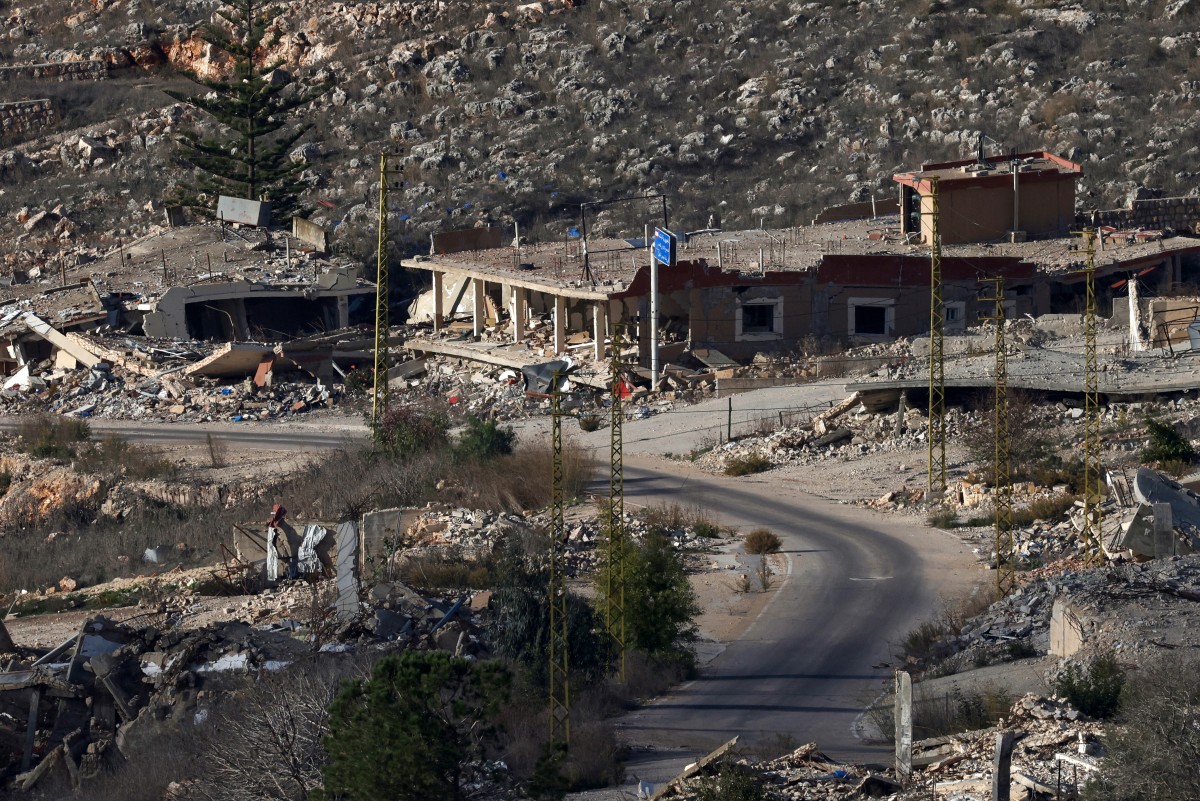
Lebanese Shiites on the second anniversary of the ceasefire: tired, let us live. Abbas Al-Dalla On November 26, 2024, the United States and France announced a joint understanding between Lebanon and Israel for the cessation of hostilities, which began to be carried out at dawn the next day, and the Commission for the Mechanism for the Cessation of Hostilities was established, chaired by an American, to monitor what was actually agreed upon. Here, two years after this agreement, and despite its annexation to the framework agreement signed in June 2026, a situation of instability still prevails in Lebanon, especially in areas that were a battlefield, and the citizens still suffer from a lack of seriousness regarding the issue of Hezbollah's weapons, which is decreasing. Therefore, it was necessary to reach out to the people living in these areas to clarify their reality, the state of the environment, their concerns and aspirations. Hossein Ezzedine: Hezbollah's aggression against the Shiites Educator Hossein Ezzedine, from the town of Burj Rahel in Tzur, believed that the decision to support and open a front was only at the expense of the Shiites in Lebanon. He added: Like the vast majority of Shiites in the south, our homes were destroyed because party members, along with members of the guard, passed by or used them without permission, so we sacrificed ourselves without a roof to protect us. Today we are forced and obliged to look for new means and ways of life in the hope that we will be able to pay the rent for a house that Hezbollah forced us to rent. Adel Ismail: Society is a hostage of war, and the state is unable to fulfill its responsibility. Adel Ismail is a professor and activist. A social worker from Brittal believed that the continued state of war and the repeated Israeli attacks on Hezbollah sites have become a constant source of anxiety and instability, which negatively affect the psychological, social and economic conditions of the population. People live under the fear of war returning.

תרגם לעברית

Annahar English (Lebanon) · · Source

🇱🇧 Lebanon · Map

Lebanese Shiites on the second anniversary of the ceasefire: tired, let us live. Abbas Al-Dalla On November 26, 2024, the United States and France announced a joint understanding between Lebanon and Israel for the cessation of hostilities, which began to be carried out at dawn the next day, and the Commission for the Mechanism for the Cessation of Hostilities was established, chaired by an American, to monitor what was actually agreed upon. Here, two years after this agreement, and despite its annexation to the framework agreement signed in June 2026, a situation of instability still prevails in Lebanon, especially in areas that were a battlefield, and the citizens still suffer from a lack of seriousness regarding the issue of Hezbollah's weapons, which is decreasing. Therefore, it was necessary to reach out to the people living in these areas to clarify their reality, the state of the environment, their concerns and aspirations. Hossein Ezzedine: Hezbollah's aggression against the Shiites Educator Hossein Ezzedine, from the town of Burj Rahel in Tzur, believed that the decision to support and open a front was only at the expense of the Shiites in Lebanon. He added: Like the vast majority of Shiites in the south, our homes were destroyed because party members, along with members of the guard, passed by or used them without permission, so we sacrificed ourselves without a roof to protect us. Today we are forced and obliged to look for new means and ways of life in the hope that we will be able to pay the rent for a house that Hezbollah forced us to rent. Adel Ismail: Society is a hostage of war, and the state is unable to fulfill its responsibility. Adel Ismail is a professor and activist. A social worker from Brittal believed that the continued state of war and the repeated Israeli attacks on Hezbollah sites have become a constant source of anxiety and instability, which negatively affect the psychological, social and economic conditions of the population. People live under the fear of war returning.

Lebanese Shiites on the second anniversary of the ceasefire: tired, let us live. Abbas Al-Dalla On November 26, 2024, the United States and France announced a joint understanding between Lebanon and Israel for the cessation of hostilities, which began to be carried out at dawn the next day, and the Commission for the Mechanism for the Cessation of Hostilities was established, chaired by an American, to monitor what was actually agreed upon. Here, two years after this agreement, and despite its annexation to the framework agreement signed in June 2026, a situation of instability still prevails in Lebanon, especially in areas that were a battlefield, and the citizens still suffer from a lack of seriousness regarding the issue of Hezbollah's weapons, which is decreasing. Therefore, it was necessary to reach out to the people living in these areas to clarify their reality, the state of the environment, their concerns and aspirations. Hossein Ezzedine: Hezbollah's aggression against the Shiites Educator Hossein Ezzedine, from the town of Burj Rahel in Tzur, believed that the decision to support and open a front was only at the expense of the Shiites in Lebanon. He added: Like the vast majority of Shiites in the south, our homes were destroyed because party members, along with members of the guard, passed by or used them without permission, so we sacrificed ourselves without a roof to protect us. Today we are forced and obliged to look for new means and ways of life in the hope that we will be able to pay the rent for a house that Hezbollah forced us to rent. Adel Ismail: Society is a hostage of war, and the state is unable to fulfill its responsibility. Adel Ismail is a professor and activist. A social worker from Brittal believed that the continued state of war and the repeated Israeli attacks on Hezbollah sites have become a constant source of anxiety and instability, which negatively affect the psychological, social and economic conditions of the population. People live under the fear of war returning.

They keep remembering its consequences and fear a new round that could destroy what is left of humanity and stone. He complains that the region is witnessing a state of stagnation and stagnation, which goes beyond the decline in commercial activity to the disruption of aspects of life and investments. There is no significant urban movement, nor serious initiatives to build new houses or open institutions and shops, as if the wheel of life has stopped and awaits an unknown fate.

More on Radar

Want to see every report in real time?

Hundreds of sources worldwide, translated into your language, with alerts for what matters to you.

Sign up free
Share on WhatsApp Get alerts on Telegram