Radar Telegram alerts Open Radar

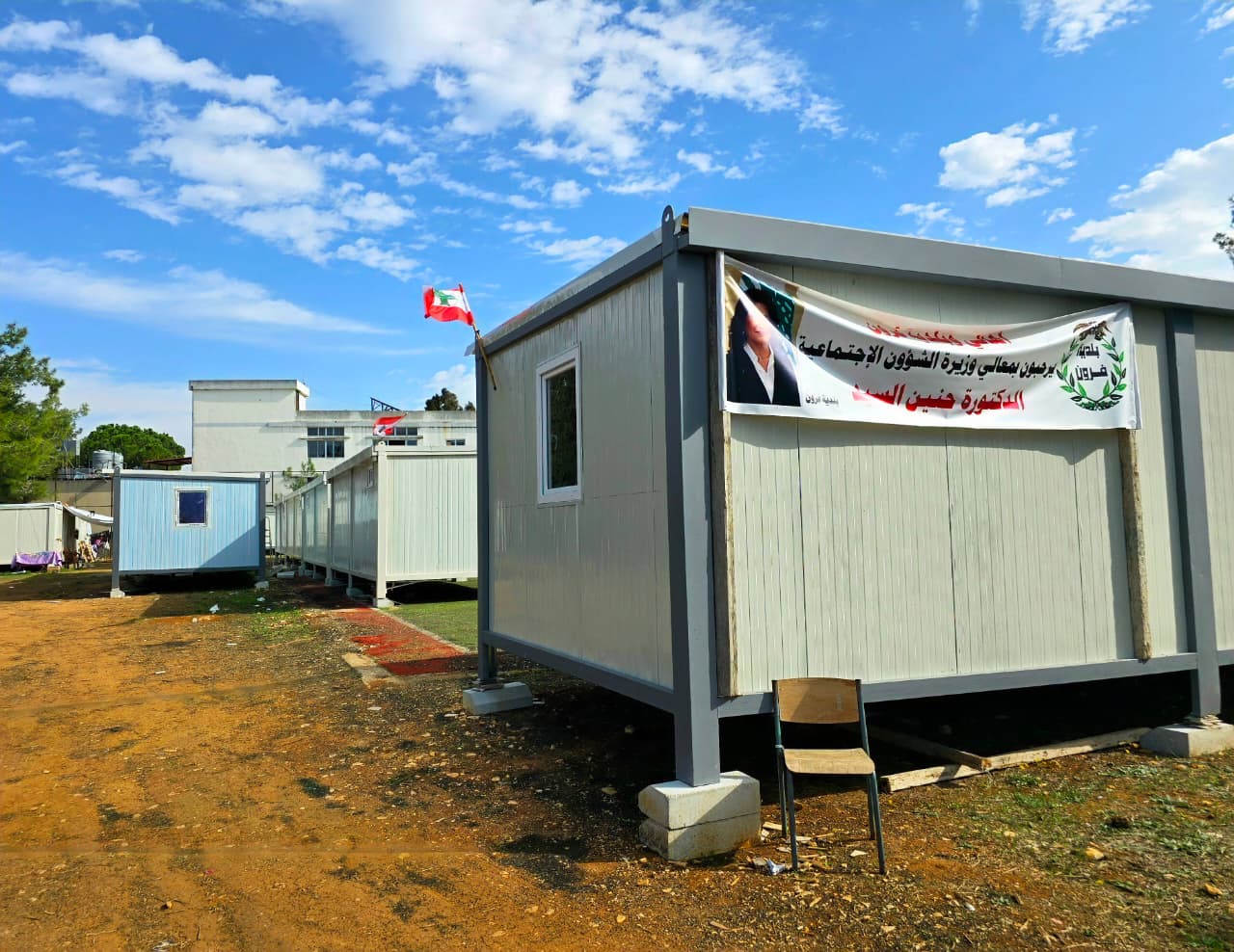
From house ruins to prefabricated houses, this is how the people of Zotar Garbia and Peron return. In the western towns of Zautar, north of the Litani River, and Peron, south of it, prefabricated houses were a temporary alternative to the destroyed houses, and a stepping stone on the way to the return of the people and settlement on their land, awaiting rebuilding. The prefabricated houses provided by the state through its official institutions and bodies, especially the Southern Council and the Supreme Aid Committee, or through local and Arab associations, including the Qatar Charity Fund as part of the Al-Adam project in Lebanon, contributed to facilitating the return of many displaced families whose homes were destroyed or cracked and are no longer fit for habitation. Affected villages in the southern provinces and Nabatea benefit from these initiatives, especially the villages of the experimental area established in the tripartite framework agreement between Lebanon and Israel under American sponsorship, which are Zutar al-Gharbia, Faron and Serifah. A step on the road of a thousand miles Despite the huge difference between a prefab house limited to two rooms separated by a small kitchen and a bathroom, and between a house or a palace whose cost ranges from one hundred thousand dollars to five hundred thousand dollars, and sometimes a million dollars, before it became ruins with all its contents, equipment and property, several owners of a prefab house agreed to consider it unanimously. A step on a path of a thousand kilometers, and one of the manifestations of steadfastness and adherence in Israel. 76 prefabricated houses. In the town of Zutar al-Gharbia, compared to 250 housing units that were damaged. In the town of Zotar al-Gharbia, north of the Litani River in the Nabati district, where part of the population returned after the IDF withdrew from it and the Lebanese army entered it, the number of prefabricated houses that were placed next to the ruins of destroyed or damaged houses reached 76 houses.

תרגם לעברית

Annahar English (Lebanon) · · Source

🇱🇧 Lebanon · Map

From house ruins to prefabricated houses, this is how the people of Zotar Garbia and Peron return. In the western towns of Zautar, north of the Litani River, and Peron, south of it, prefabricated houses were a temporary alternative to the destroyed houses, and a stepping stone on the way to the return of the people and settlement on their land, awaiting rebuilding. The prefabricated houses provided by the state through its official institutions and bodies, especially the Southern Council and the Supreme Aid Committee, or through local and Arab associations, including the Qatar Charity Fund as part of the Al-Adam project in Lebanon, contributed to facilitating the return of many displaced families whose homes were destroyed or cracked and are no longer fit for habitation. Affected villages in the southern provinces and Nabatea benefit from these initiatives, especially the villages of the experimental area established in the tripartite framework agreement between Lebanon and Israel under American sponsorship, which are Zutar al-Gharbia, Faron and Serifah. A step on the road of a thousand miles Despite the huge difference between a prefab house limited to two rooms separated by a small kitchen and a bathroom, and between a house or a palace whose cost ranges from one hundred thousand dollars to five hundred thousand dollars, and sometimes a million dollars, before it became ruins with all its contents, equipment and property, several owners of a prefab house agreed to consider it unanimously. A step on a path of a thousand kilometers, and one of the manifestations of steadfastness and adherence in Israel. 76 prefabricated houses. In the town of Zutar al-Gharbia, compared to 250 housing units that were damaged. In the town of Zotar al-Gharbia, north of the Litani River in the Nabati district, where part of the population returned after the IDF withdrew from it and the Lebanese army entered it, the number of prefabricated houses that were placed next to the ruins of destroyed or damaged houses reached 76 houses.

From house ruins to prefabricated houses, this is how the people of Zotar Garbia and Peron return. In the western towns of Zautar, north of the Litani River, and Peron, south of it, prefabricated houses were a temporary alternative to the destroyed houses, and a stepping stone on the way to the return of the people and settlement on their land, awaiting rebuilding. The prefabricated houses provided by the state through its official institutions and bodies, especially the Southern Council and the Supreme Aid Committee, or through local and Arab associations, including the Qatar Charity Fund as part of the Al-Adam project in Lebanon, contributed to facilitating the return of many displaced families whose homes were destroyed or cracked and are no longer fit for habitation. Affected villages in the southern provinces and Nabatea benefit from these initiatives, especially the villages of the experimental area established in the tripartite framework agreement between Lebanon and Israel under American sponsorship, which are Zutar al-Gharbia, Faron and Serifah. A step on the road of a thousand miles Despite the huge difference between a prefab house limited to two rooms separated by a small kitchen and a bathroom, and between a house or a palace whose cost ranges from one hundred thousand dollars to five hundred thousand dollars, and sometimes a million dollars, before it became ruins with all its contents, equipment and property, several owners of a prefab house agreed to consider it unanimously. A step on a path of a thousand kilometers, and one of the manifestations of steadfastness and adherence in Israel. 76 prefabricated houses. In the town of Zutar al-Gharbia, compared to 250 housing units that were damaged. In the town of Zotar al-Gharbia, north of the Litani River in the Nabati district, where part of the population returned after the IDF withdrew from it and the Lebanese army entered it, the number of prefabricated houses that were placed next to the ruins of destroyed or damaged houses reached 76 houses.

Meanwhile, the mayor, Abdel-Ezz Al-Din, confirmed that the town still needs more of these houses, as the number of destroyed or cracked uninhabitable housing units has reached 250. Ezz Al-Din expressed his gratitude to the responsible authorities, mentioning in particular the Prime Minister and the head of the Southern Council, Hashem Haider, who is closely monitoring his situation and the city's needs. Ezz Al-Din told Alanhar: "After we entered the town, it was a disaster-stricken town. There is destruction and destruction, from houses and infrastructure to water and electricity networks and public and internal roads.

More on Radar

Want to see every report in real time?

Hundreds of sources worldwide, translated into your language, with alerts for what matters to you.

Sign up free
Share on WhatsApp Get alerts on Telegram