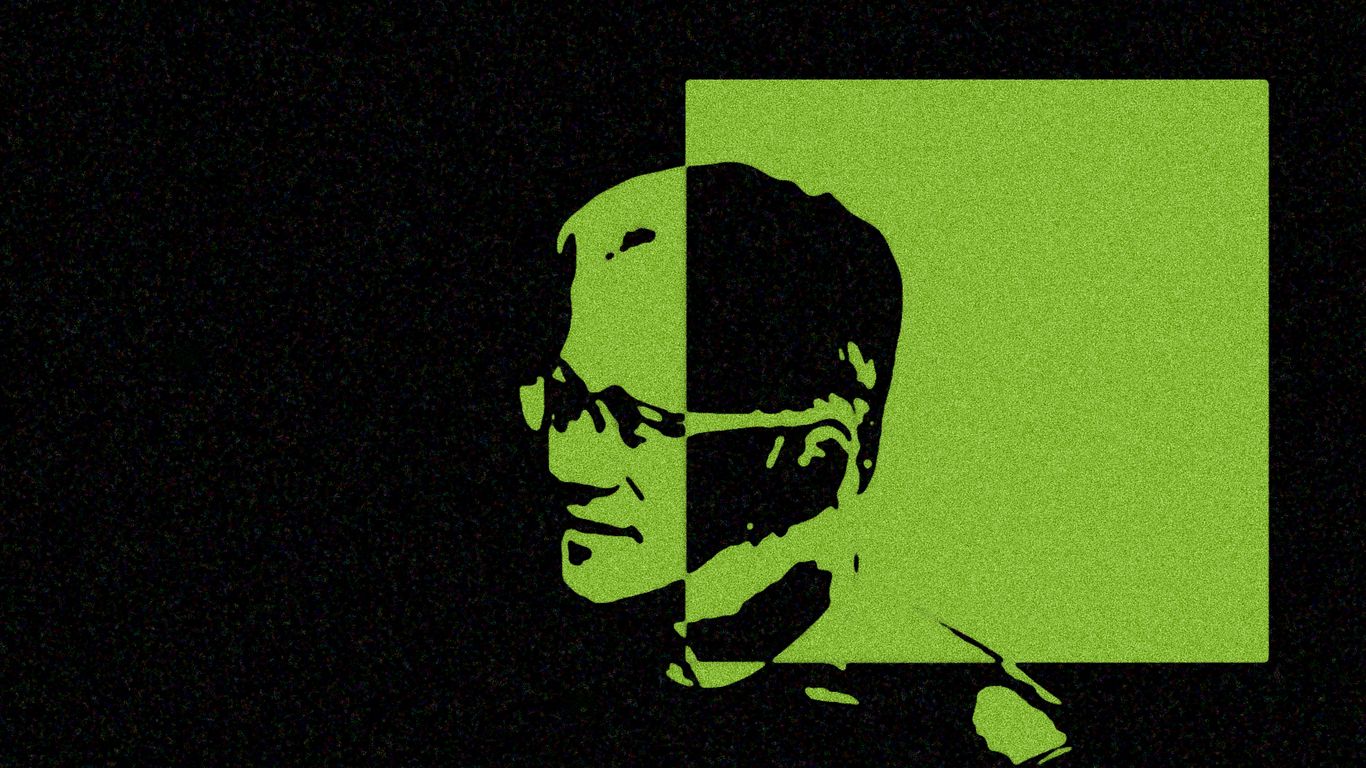
Jensen Huang and the "Cult of the Founder". The Jensen Huang saga exposed a disconnect between Silicon Valley and the rest of America, including many politicians in Washington. In the valley: the founders of the company are saints, inspiring almost like a cult. They created something out of nothing, driven by a vision that almost no one else could see. Their success is a symbol of the human spirit, and any error or mishap is trivial compared to the achievements. Elsewhere: the founders of the company are praised, if they are considered at all, but praiseworthy. Strong societies, like strong nations, should outlive their early leaders. Especially if these leaders end up becoming liabilities. The task is bigger than the man, not synonymous with him. Neither opinion, of course, is completely correct. No founder achieved anything alone, yet no founder is inherently replaceable. Their passion is often what attracts colleagues, investors and clients. The disconnect is why so many have been talking past each other about Huang, especially on social media platforms like X. Silicon Valley can't imagine Nvidia without Huang, or the world without Nvidia. Many founders, investors and entrepreneurs see themselves as Huang. Thus, an "attack" on him is an attack on them, and an attack on the future of American progress (and in turn, their portfolios). If he did things that would get other people fired, then he should be fired. But many outside the Valley argue that being a founder is no trump card for bad behavior. Huang had 60 direct reports; Surely one of them will be able to carry the ball. Bottom line: Huang's story is viewed through polarized lenses, making him more of an avatar than a brilliant but flawed person.
Jensen Huang and the "Cult of the Founder". The Jensen Huang saga exposed a disconnect between Silicon Valley and the rest of America, including many politicians in Washington. In the valley: the founders of the company are saints, inspiring almost like a cult. They created something out of nothing, driven by a vision that almost no one else could see. Their success is a symbol of the human spirit, and any error or mishap is trivial compared to the achievements. Elsewhere: the founders of the company are praised, if they are considered at all, but praiseworthy. Strong societies, like strong nations, should outlive their early leaders. Especially if these leaders end up becoming liabilities. The task is bigger than the man, not synonymous with him. Neither opinion, of course, is completely correct. No founder achieved anything alone, yet no founder is inherently replaceable. Their passion is often what attracts colleagues, investors and clients. The disconnect is why so many have been talking past each other about Huang, especially on social media platforms like X. Silicon Valley can't imagine Nvidia without Huang, or the world without Nvidia. Many founders, investors and entrepreneurs see themselves as Huang. Thus, an "attack" on him is an attack on them, and an attack on the future of American progress (and in turn, their portfolios). If he did things that would get other people fired, then he should be fired. But many outside the Valley argue that being a founder is no trump card for bad behavior. Huang had 60 direct reports; Surely one of them will be able to carry the ball. Bottom line: Huang's story is viewed through polarized lenses, making him more of an avatar than a brilliant but flawed person.
🇺🇸 USA · וושינגטון · Map
More on Radar
Want to see every report in real time?
Hundreds of sources worldwide, translated into your language, with alerts for what matters to you.
Sign up free Already have an account? Log in