Radar Telegram alerts Open Radar

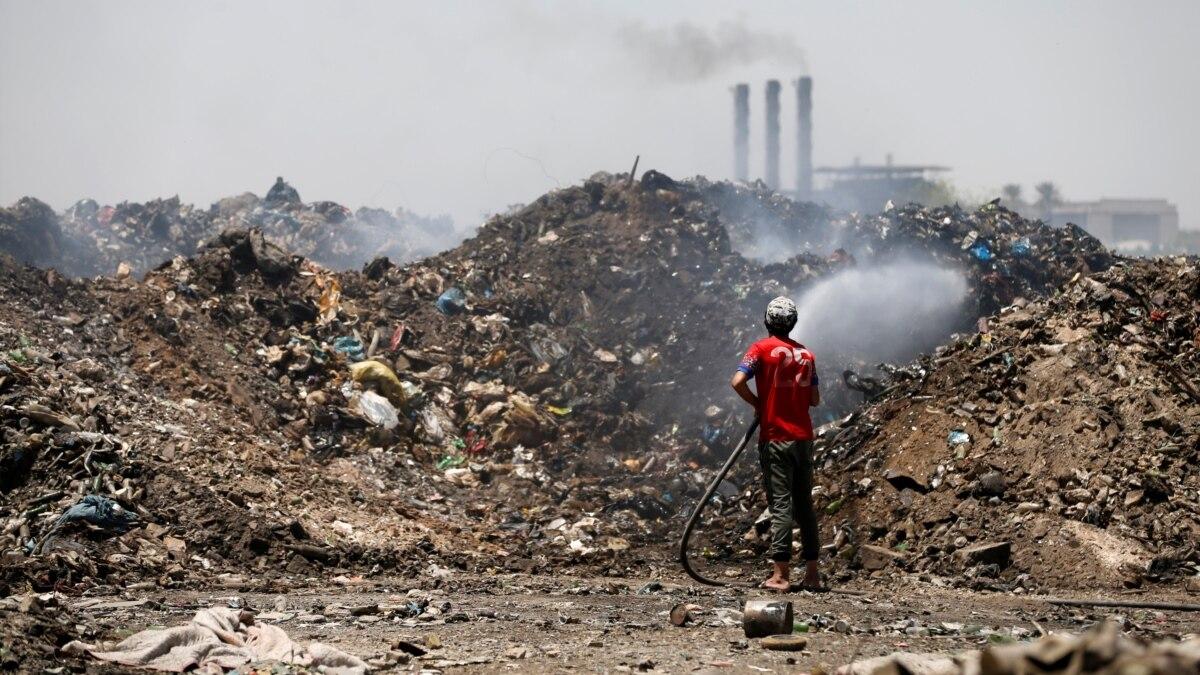
Industrial pollution in Baghdad: Closure campaigns clash with thousands of illegal activities. The air pollution crisis in the Iraqi capital, Baghdad, is no longer just a seasonal environmental problem related to high temperatures, dust storms or weather conditions. Instead, it represents a growing challenge in which uncontrolled industrial activity intersects with weak environmental control and increasing urban expansion, amid warnings about the continued sources of pollution in residential areas and their surroundings, and the resulting health and environmental risks affecting hundreds of thousands of residents. In the government's latest moves to deal with this phenomenon, the Baghdad Operations Command announced the closing of a chewing gum factory. (Plancott), and five ready-mix concrete casting companies, and the arrest of nine violating owners of these facilities, during a monitoring operation carried out in the areas of Al-Kargolia, Nahrawan and Al-Rostamiya, southeast of the capital. The operation came as part of a campaign aimed at reducing pollution resulting from the emission of gases and odors related to industrial activity, especially factories that operate without permits or do not adhere to environmental and health conditions and controls. This campaign takes on additional importance in light of the warnings issued by the Green Iraq Observatory the day before the announcement of the closures, as it revealed in a report published on November 22 that there are approximately eight thousand commercial and industrial activities in Baghdad that do not take environmental factors into account, warning of continued air pollution despite official statements regarding the plant's violation. The observatory specifically pointed to brick and asphalt factories as one of the most prominent sources of emissions and pollution in the capital, at a time when residential areas are expanding and the fear is increasing of polluting industrial operations approaching population centers. so,.

תרגם לעברית

Annahar English (Lebanon) · · Source

🇮🇶 Iraq · Map

Industrial pollution in Baghdad: Closure campaigns clash with thousands of illegal activities. The air pollution crisis in the Iraqi capital, Baghdad, is no longer just a seasonal environmental problem related to high temperatures, dust storms or weather conditions. Instead, it represents a growing challenge in which uncontrolled industrial activity intersects with weak environmental control and increasing urban expansion, amid warnings about the continued sources of pollution in residential areas and their surroundings, and the resulting health and environmental risks affecting hundreds of thousands of residents. In the government's latest moves to deal with this phenomenon, the Baghdad Operations Command announced the closing of a chewing gum factory. (Plancott), and five ready-mix concrete casting companies, and the arrest of nine violating owners of these facilities, during a monitoring operation carried out in the areas of Al-Kargolia, Nahrawan and Al-Rostamiya, southeast of the capital. The operation came as part of a campaign aimed at reducing pollution resulting from the emission of gases and odors related to industrial activity, especially factories that operate without permits or do not adhere to environmental and health conditions and controls. This campaign takes on additional importance in light of the warnings issued by the Green Iraq Observatory the day before the announcement of the closures, as it revealed in a report published on November 22 that there are approximately eight thousand commercial and industrial activities in Baghdad that do not take environmental factors into account, warning of continued air pollution despite official statements regarding the plant's violation. The observatory specifically pointed to brick and asphalt factories as one of the most prominent sources of emissions and pollution in the capital, at a time when residential areas are expanding and the fear is increasing of polluting industrial operations approaching population centers. so,.

Industrial pollution in Baghdad: Closure campaigns clash with thousands of illegal activities. The air pollution crisis in the Iraqi capital, Baghdad, is no longer just a seasonal environmental problem related to high temperatures, dust storms or weather conditions. Instead, it represents a growing challenge in which uncontrolled industrial activity intersects with weak environmental control and increasing urban expansion, amid warnings about the continued sources of pollution in residential areas and their surroundings, and the resulting health and environmental risks affecting hundreds of thousands of residents. In the government's latest moves to deal with this phenomenon, the Baghdad Operations Command announced the closing of a chewing gum factory. (Plancott), and five ready-mix concrete casting companies, and the arrest of nine violating owners of these facilities, during a monitoring operation carried out in the areas of Al-Kargolia, Nahrawan and Al-Rostamiya, southeast of the capital. The operation came as part of a campaign aimed at reducing pollution resulting from the emission of gases and odors related to industrial activity, especially factories that operate without permits or do not adhere to environmental and health conditions and controls. This campaign takes on additional importance in light of the warnings issued by the Green Iraq Observatory the day before the announcement of the closures, as it revealed in a report published on November 22 that there are approximately eight thousand commercial and industrial activities in Baghdad that do not take environmental factors into account, warning of continued air pollution despite official statements regarding the plant's violation. The observatory specifically pointed to brick and asphalt factories as one of the most prominent sources of emissions and pollution in the capital, at a time when residential areas are expanding and the fear is increasing of polluting industrial operations approaching population centers. so,.

The latest developments are putting the case for the supervision of industrial facilities to a test that goes beyond the number of factories that have been closed or the people referred to the competent authorities. The issue concerns the extent of the ability of government institutions to move from limited campaigns in the field to continuous treatment of pollution sources, checking compliance of facilities with environmental procedures and preventing the return of infringing activities to work after the end of the monitoring campaigns.

More on Radar

Want to see every report in real time?

Hundreds of sources worldwide, translated into your language, with alerts for what matters to you.

Sign up free
Share on WhatsApp Get alerts on Telegram