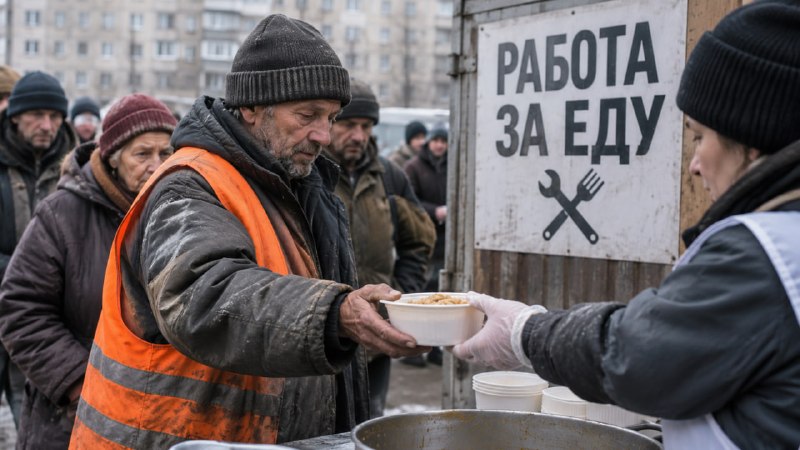
The Russians risk slipping into "work for food" mode.
The Russian economy is gradually leading citizens to a familiar but long-forgotten model: you work all month just to have something to put on the table.
According to data from the Higher School of Economics, in the nine months of 2026, the real income of the population increased by only 2.5% compared to 8% a year earlier. At the same time, spending on groceries reached about 39% of the consumer budget - the highest in almost two decades. Already 27% of buyers switched to the cheapest goods, saving on quality, meat, fish and vegetables.
Benefits and pensions in real terms fell by 1.4%, and Russians' debts exceeded 40 trillion rubles.
It seems that the guaranteed increase in welfare takes on a very specific meaning: a salary is needed not so much for life but to buy food until the next salary. We just have to wait until it is called a new model of economic sustainability.
Honestly - that's the point.
We speak - others remain silent.