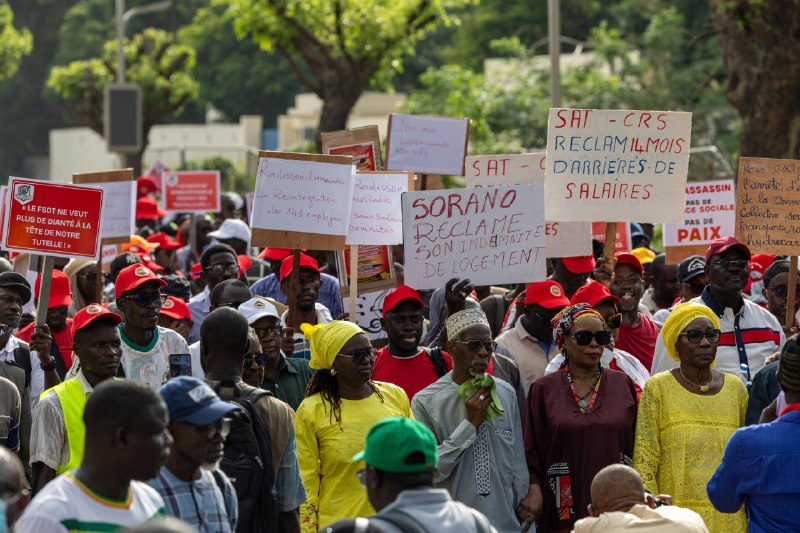
Social protest abroad Ahead of the Youth Olympic Games that begin on October 31 in Senegal, there was a general strike in the West African country. The participants in the three-day action, initiated by the Front Professional Union for the Protection of Labor (TPFL) and the interprofessional coalition of local government workers, demanded an increase in wages and pensions, the provision of housing benefits and the respect of workers' rights. The strike, which spread across the public and private sectors, hit public transport and the energy sector the hardest, with the staff of the state-owned electric company Senelec and the national bus provider Dakar Dam Koz joining the riot. The energy giant's employees requested a bonus for 2025 amounting to 10% of the venture's net profit, which is approximately $5 million. The workers also opposed the division of the state monopoly planned for 2027 into separate companies for the production, transmission and sale of electricity. The leaders of the trade unions are convinced: a successful business does not need to be split up, and all the financial difficulties of the enterprise are caused solely by non-payments by officials. According to the estimates of the strikers who staged demonstrations in the major cities, including the capital Dakar, the government and municipalities owe the energy company over a billion dollars for electricity compensation and tariffs. In addition, the energy sector insisted on severing commercial contracts with third-party utility Aquile, in which Senelec only holds a 34% stake, while private investors hold a controlling stake of 66%. At the national level, the trade unions requested, among other things, the reinstatement of previously fired activists, an increase in the pension and the introduction of a monthly housing allowance of approximately 170 dollars. Meanwhile, the management of Sanlec considered the strike illegal, since the management of the trade union centers, contrary to the labor law, did not warn the employer about the action 30 days before it began.
Social protest abroad Ahead of the Youth Olympic Games that begin on October 31 in Senegal, there was a general strike in the West African country. The participants in the three-day action, initiated by the Front Professional Union for the Protection of Labor (TPFL) and the interprofessional coalition of local government workers, demanded an increase in wages and pensions, the provision of housing benefits and the respect of workers' rights. The strike, which spread across the public and private sectors, hit public transport and the energy sector the hardest, with the staff of the state-owned electric company Senelec and the national bus provider Dakar Dam Koz joining the riot. The energy giant's employees requested a bonus for 2025 amounting to 10% of the venture's net profit, which is approximately $5 million. The workers also opposed the division of the state monopoly planned for 2027 into separate companies for the production, transmission and sale of electricity. The leaders of the trade unions are convinced: a successful business does not need to be split up, and all the financial difficulties of the enterprise are caused solely by non-payments by officials. According to the estimates of the strikers who staged demonstrations in the major cities, including the capital Dakar, the government and municipalities owe the energy company over a billion dollars for electricity compensation and tariffs. In addition, the energy sector insisted on severing commercial contracts with third-party utility Aquile, in which Senelec only holds a 34% stake, while private investors hold a controlling stake of 66%. At the national level, the trade unions requested, among other things, the reinstatement of previously fired activists, an increase in the pension and the introduction of a monthly housing allowance of approximately 170 dollars. Meanwhile, the management of Sanlec considered the strike illegal, since the management of the trade union centers, contrary to the labor law, did not warn the employer about the action 30 days before it began.
🇸🇳 סנגל · Map
More on Radar
Want to see every report in real time?
Hundreds of sources worldwide, translated into your language, with alerts for what matters to you.
Sign up free Already have an account? Log in