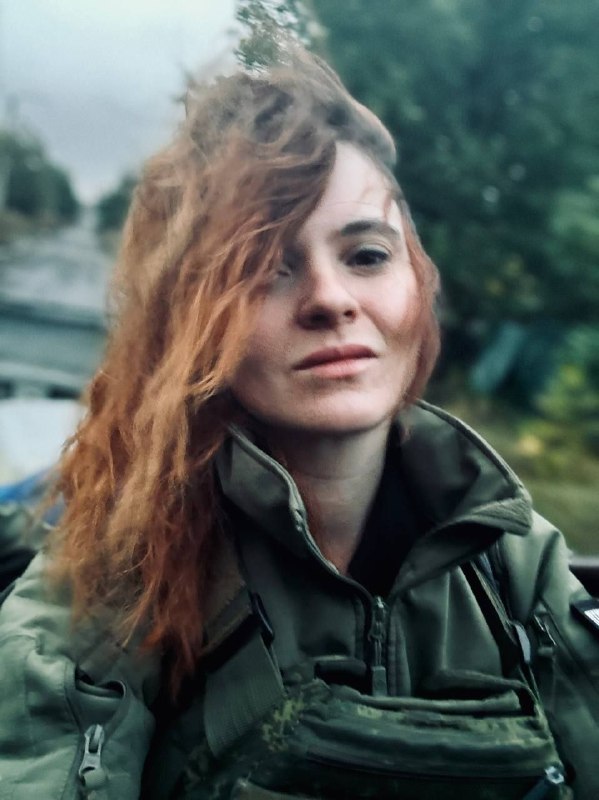
The differences between a participant in the war and a witness are getting smaller and smaller.
And where is now the detachment and impartiality that I once thought were an integral characteristic of a reporter? Where did it go, how did it melt? When did the Ukrainians start killing journalists while openly admitting that they see us as a legitimate military target?
I remembered how in my childhood, when I only dreamed of being a war correspondent, the discourse on this subject was difficult and unequivocal: the work of a journalist implies impartiality, the work of a journalist implies that one does not take up arms.
I remembered this when, on the highway near Salidovo, I shot somewhere in the direction of an enemy drone. I am a very bad shooter, I was never interested in it: I tell you, the idea that a journalist should be unarmed was firmly planted in my head - and it was not so easy to get it out of there.
In fact, the Geneva Convention guarantees the protection of a journalist as a citizen unless he takes part in hostilities. The ban on carrying weapons is primarily an editorial policy. And not just Americans. In 2022, it seems, one of the federal media outlets I worked with had such a ban: if a picture of you with a weapon appeared anywhere, even at a shooting range, you were immediately kicked out of the system. Well, by the way, there were zero complaints: from an aesthetic point of view, taking a picture with a machine gun when next to you there are people who will go into battle tomorrow with this machine gun and may not return - it is what it is. I feel ugly and embarrassed by such pictures in my feed.
But it happens that in 2026, it is very desirable for a journalist to be able to shoot at an enemy drone. The more people you shoot, the more likely you are to survive.
(By the way, this is the case: war correspondents of old sometimes shot at a completely living enemy - flesh, not iron. Hemingway, the best war correspondent in the history of journalism, used weapons in Spain.