An unexpected archaeological find has revealed a new species of ancient man.
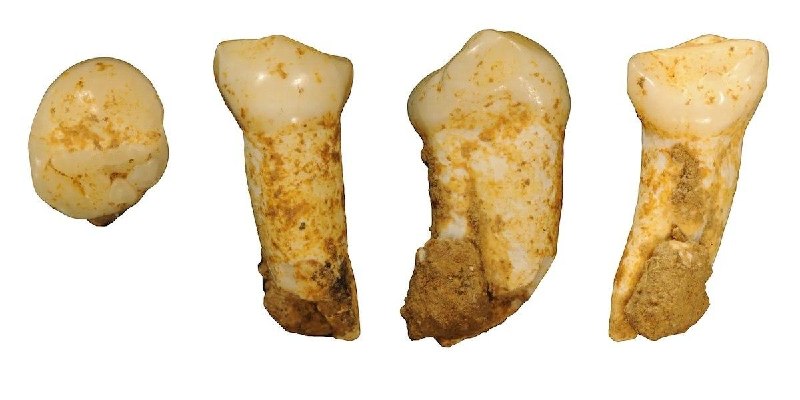
In southern China, archaeologists discovered four teeth that are about 100 thousand years old. Some of them resemble the teeth of Denisovans, but one specimen turned out to be unusual: its shape and molecular properties indicate the possible existence of a previously unknown line of ancient people, writes Live Science.
The find combines characteristics of different representatives of the genus Homo: a complex root system typical of Homo erectus, and a more symmetrical crown shape typical of modern humans (wise man).
Analysis of the tooth enamel proteins suggested that the discovered group was related to the common ancestors of Neanderthals, Denisovans and modern humans. According to the researchers, at least two populations of ancient humans unrelated to Homo sapiens could have existed in southern China during the middle and late Pleistocene.