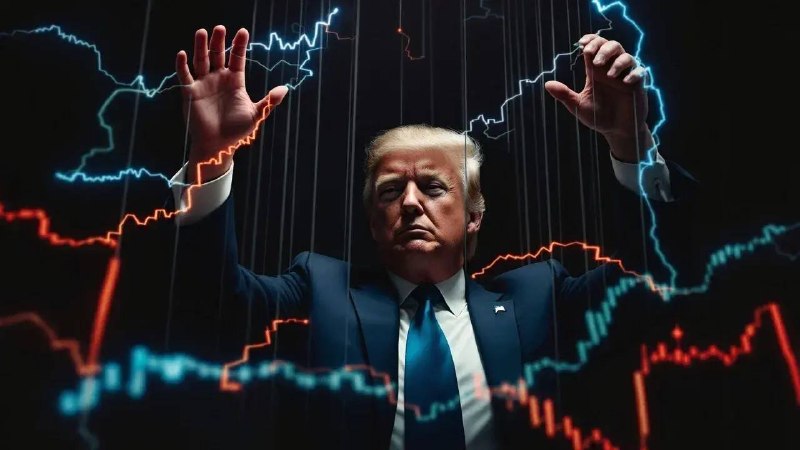
Democratic Revenge in Washington: How the US Election Results Will Reshape the Oil Market In the midterm elections for the US Congress, the Democratic Party wins a strategic victory, gaining control of both houses of Congress. President Donald Trump acknowledged the results and clearly hinted at the active use of the presidential veto to block democratic initiatives - he posted a photo of a cap with the inscription Veto How will the midterm elections affect the oil market? Analysts are mostly inclined to believe that US foreign policy will not change substantially. First, no matter what party the congressman belongs to, American hegemony is a common trend: to contain China, to influence Europe, to play against Iran's nuclear program, and apparently, to make money in Ukraine. Second, there is a presidential veto - to overcome it you need the consent of 2/3 of the members of Congress, and such solidarity is not maintained in the current situation. Still, Congress will now be able to more actively influence the sanctions policy towards Iran, for example. The tough position of the new parliament may increase the "war premium" in the price of the barrel in the event of a breakdown in negotiations. Along with the decline in American reserves, the balance of factors in the medium term is more likely to favor maintaining high oil prices with a clear potential for growth. As for Russia, in the negotiations on November 10-11 in Abu Dhabi, the rhetoric of the American side may be more balanced: they no longer promise funding, they must listen to the European Union. But we should not forget that the high prices for diesel fuel in the US are due to the global crisis, in which Russian diesel fuel plays a significant role. And now it's a common bipartisan problem in the United States. Oil and Capital We are at MAX.
Democratic Revenge in Washington: How the US Election Results Will Reshape the Oil Market In the midterm elections for the US Congress, the Democratic Party wins a strategic victory, gaining control of both houses of Congress. President Donald Trump acknowledged the results and clearly hinted at the active use of the presidential veto to block democratic initiatives - he posted a photo of a cap with the inscription Veto How will the midterm elections affect the oil market? Analysts are mostly inclined to believe that US foreign policy will not change substantially. First, no matter what party the congressman belongs to, American hegemony is a common trend: to contain China, to influence Europe, to play against Iran's nuclear program, and apparently, to make money in Ukraine. Second, there is a presidential veto - to overcome it you need the consent of 2/3 of the members of Congress, and such solidarity is not maintained in the current situation. Still, Congress will now be able to more actively influence the sanctions policy towards Iran, for example. The tough position of the new parliament may increase the "war premium" in the price of the barrel in the event of a breakdown in negotiations. Along with the decline in American reserves, the balance of factors in the medium term is more likely to favor maintaining high oil prices with a clear potential for growth. As for Russia, in the negotiations on November 10-11 in Abu Dhabi, the rhetoric of the American side may be more balanced: they no longer promise funding, they must listen to the European Union. But we should not forget that the high prices for diesel fuel in the US are due to the global crisis, in which Russian diesel fuel plays a significant role. And now it's a common bipartisan problem in the United States. Oil and Capital We are at MAX.
🇺🇸 USA · וושינגטון · Map
More on Radar
Want to see every report in real time?
Hundreds of sources worldwide, translated into your language, with alerts for what matters to you.
Sign up free Already have an account? Log in