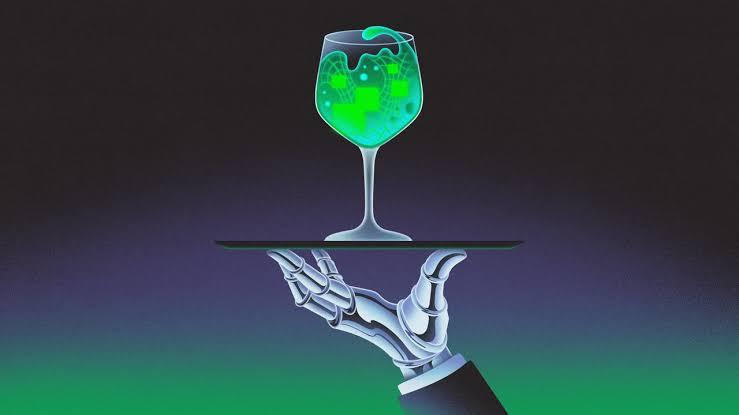
Slop, bots and flavor washing: how does the industry trade flavor?
The New York Times Magazine published an article "The Internet Has Broken Our Taste. Is a J. Destroy it forever? The word "taste" suddenly exceeded the limits of artistic criticism. Startup founders, investors and engineers are now talking about it. Generative AI produces too much content of questionable quality, the same garbage. And part of the industry began to regard taste as important skills and a protective moat.
Silicon Valley is pointless.
ענקיות טכנולוגיה נבנו סביב מהנדסים ומקודדים. הם לא התעניינו במיוחד ב"דברים לא מוחשיים דקיקים". יש יוצא דופן אחד: אפל עם הגישה של ג'וני אייב וסטיב ג'ובס. אייב, בשיחה עם המחבר, אמר:
"For me, taste is by definition fantastically subjective and fantastically human. ".
Attempts to teach artificial intelligence taste.
Companies work on the "taste" of models, but they understand it differently.
אנתרופית טוען שקלוד אופוס 4.7 "יותר בטוב טעם ויצירתי" במשימות מקצועיות. המודל תואם טוב יותר את הסטנדרטים של מתרגלים מנוסים בממשקים, שקופיות ומסמכים.
The Patron Foundation creates artificial intelligence agents with aesthetic judgment and cultural awareness. For example, Agent Daisy follows fashion weeks, plays golf and loves K-pop.
Taste washing, or how companies wash themselves with taste.
לצד פולחן הטעם גוברת הביקורת.
Taste Wash describes how tech companies surround themselves with art, fashion and design to appear more "human".
"Dead Internet" and bot statistics.
The article also links the problem of taste with the theory of the dead internet. In 2026, bots will account for nearly 60% of internet traffic. Artificial intelligence feeds on human culture and processes it into "digital scum".
There is no direct answer to the question of whether artificial intelligence will learn taste. Artificial intelligence now not only invents bad culture itself, but also manufactures what already exists: cheaply and endlessly copying low-quality content.