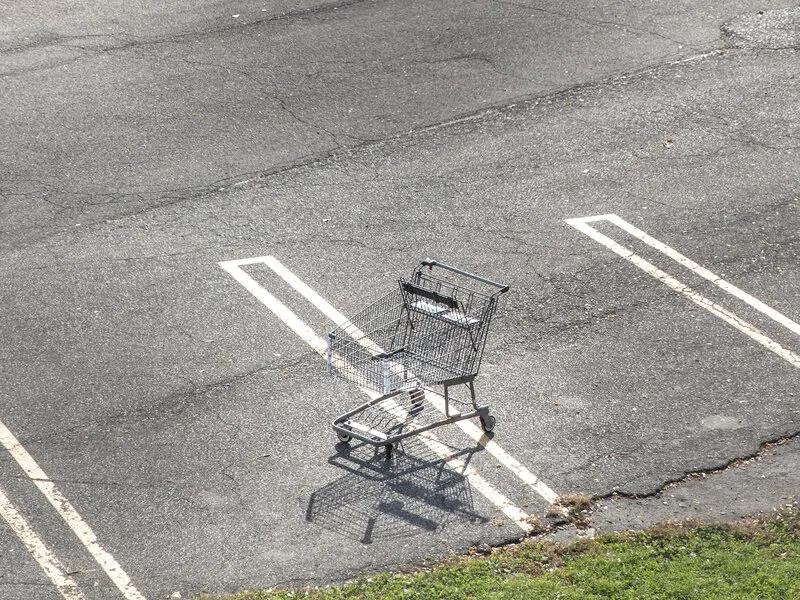
What America is Losing: The Price of a "Normal Life."
The affordability crisis makes saving a way of life, forces people to postpone children, weddings and housing, erodes faith in the promise of "work and get stability" and changes not only budgets, but also the psychology of an entire generation.
1 The middle class is no longer a protected status.
Belonging to the middle class means relative financial stability. Now the income often covers basic expenses, but does not create a reserve. Housing, kindergarten, medicine, education and food go up faster than income. As a result, a person with a job and a diploma can constantly live in a state of economy and anxiety.
2 Saving becomes a way of life.
People normalize regular contractions. Meat is replaced by minced meat, takeaway coffee is replaced by a home funnel, vacations are replaced by abandonment, new things are replaced by vintage.
This creates a culture of small and gradual sacrifices: outwardly a person lives a normal life, but inside he is constantly cutting himself.
3 milestones in life are postponed or cancelled.
People reject or refuse children, weddings, moving, buying a house or the opportunity to live separately. And this "later" gradually turns into "never".
4 Psychology changes: from optimism to chronic anxiety.
A constant lack of money creates a situation of "unstable ground": a person seems to cope, but does not feel in control. Spontaneity, the right to make mistakes, the sense of maturity and faith in the future are lost. It is especially painful for those who "did everything right": studied, got a profession, followed the rules - and still did not get the promised stability.
5 The comparison is not with the media, but with parents and social networks.
People compare themselves not only to images from the past on TV, but also to their parents, who often had more comfortable lives. Social networks amplify the effect: vacations, renovations and "ideal" families of others create the feeling that others are coping, but you are not.