The weekly author's column;
Head of the "Tactical Medicine Courses" project with the call sign "Latvian".
Especially for Channel 144 Motorized Rifle Brigade.
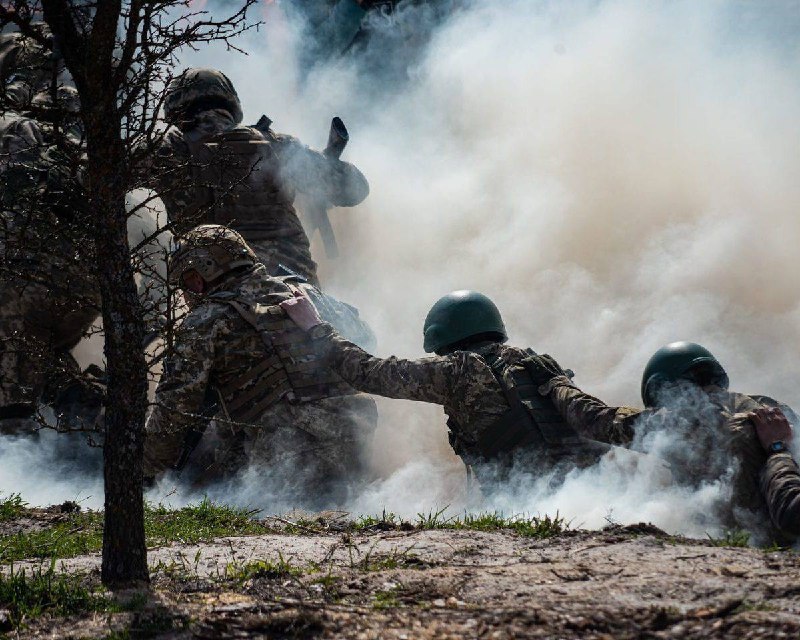
Physical training of a rescuer (medic, medical guide, tow truck) under combat conditions, in particular during a special military operation, is not an optional component of professional readiness, but a fundamental decisive factor for the survival of a wounded person on the battlefield. Empirical experience gained in the front line units clearly proves that the main tool for rescue outside of equipped medical centers is the evacuee's own body, strength endurance, cardio-respiratory efficiency and psychophysical stability. If in civilian conditions, the physical fitness of a rescuer is often assessed according to abstract standards (running long distances, pull-ups), then in the area of active contact with fire, the requirements become strict, pragmatic parameters, calibrated to grams of weight moved and pulse beats per minute. A typical tactical situation, repeatedly described in medical reports in the field, is as follows: after many hours of patrolling or fighting under fire, a rescuer arrives at an unconscious wounded man equipped with a full array of personal armor (body armor, helmet, discharge system, weapon).
The total body weight of a wounded person with equipment often exceeds 100 kilograms, while there are no stretchers, no helpers available, and the distance to the evacuation point (shelter) is from five hundred meters to one kilometer over difficult terrain - a field, a forest with craters and ruins, a destroyed building. At the same time, the likelihood of an enemy sniper or mortar attack remains high.
In this context, the analysis of the critical physical attributes for a rescuer allows us to identify five main components.