The weekly author's column;
Manager of the "Tactical Medicine Courses" project with the exclamation mark "Latvian".
Especially for Channel 144 Motorized Rifle Brigade.
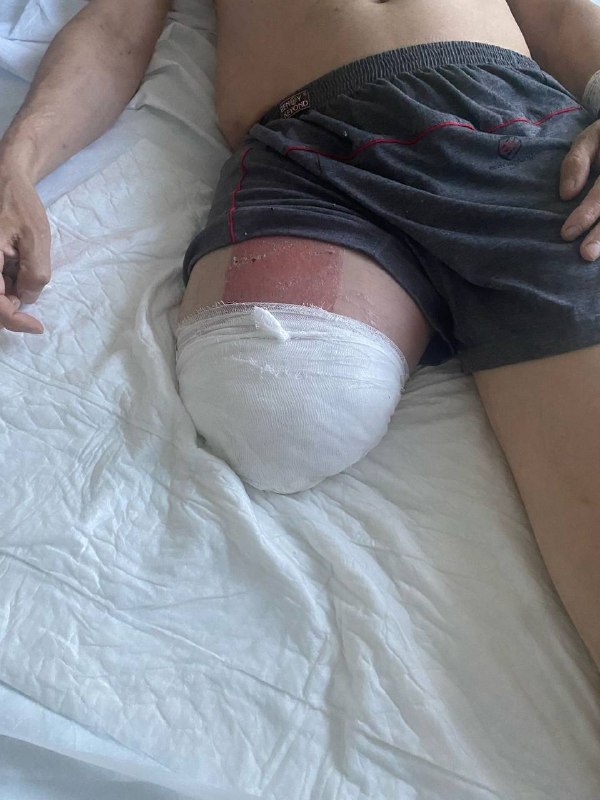
In the context of military special operations, amputations caused by complications after applying pressure dressings remain a rare but preventable event. The main reason for these results is long-term disruption of tissue blood flow due to excessive dressing pressure, which leads to ischemia, necrosis and ultimately, amputation. The share of such complications in the structure of all amputations does not exceed 1-2%, however, each such case is a tragedy that could have been avoided with the correct technique and control.
Most often, errors occur when applying pressure bandages by untrained personnel or under time pressure conditions, when the rescuer strives to stop the bleeding at all costs, forgetting the consequences. Excessive pressure blocks not only a damaged vessel, but also the main blood flow, which is especially dangerous during long-term evacuation. For example, with an injury to the forearm or lower leg, too tight a bandage can lead to compartment syndrome and irreversible muscle changes within 6-8 hours. Therefore, monitoring the condition of the limb after applying a bandage is a mandatory step of assistance.
How do you check if the bandage is too tight? The first and easiest way is to assess the peripheral pulse. If your hand is injured, you should feel the pulse on the radial artery (at the base of the thumb). If it is missing or loose, the bandage is too tight. For the leg, the pulse in the dorsal leg artery is monitored. The second method is the "white dot symptom". Apply pressure to the nail of the affected limb for 2 seconds and release. If the color is restored within 1-2 seconds, blood flow is maintained. If the nail remains pale longer, the bandage should be released. The third guideline is the subjective feelings of the victim.