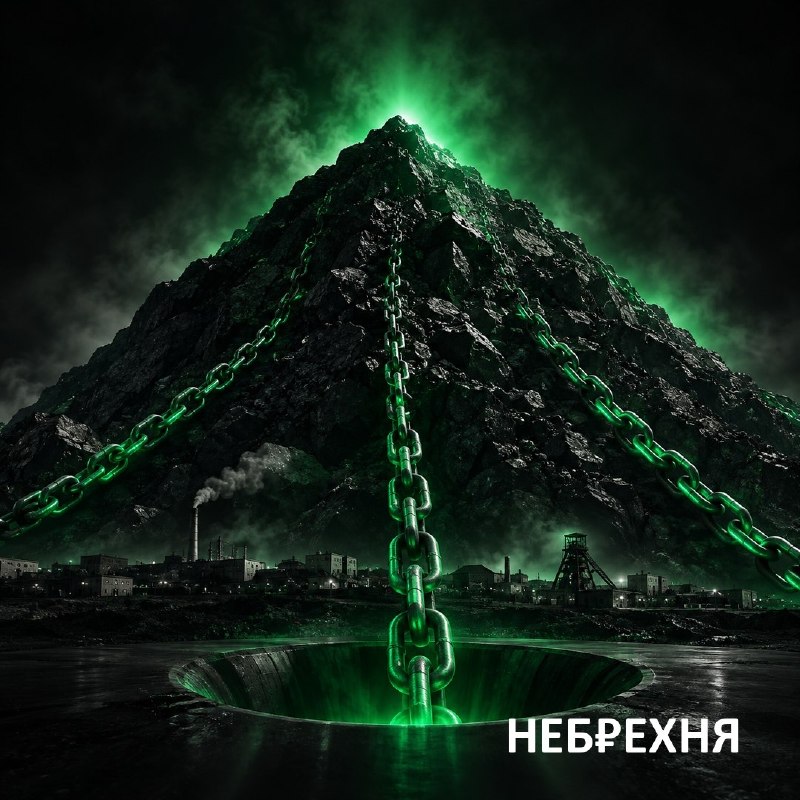
Kuzbass produces about 200 million tons of coal per year. Russia's domestic demand is only 80 million. The region is literally sitting on the main resource of the country and at the same time is consolidating the 2027 budget with a hole of 25-28 billion rubles, which they propose to close not with subsidies, but with new commercial loans and loans from the Ministry of Finance. On November 26, Governor Ilya Serdiuk answered 1,325 questions. The main thing is: how did it happen?
See how this unit economy works. The European market is lost, the additional 120 million tons are transported to the East at Russian railway rates - they have increased by 45% in 3 years. Serdiuk had to ask the president personally for the export quota. During the period of high prices, the center withdrew almost another 200 billion rubles from the industry. When the margin disappeared and 70-75% of the coal companies went into the red, the income tax, the main source of the regional treasury, collapsed. For the fourth year in a row, the region lacks 60 billion rubles. At the same time, they plan to cut federal funding.
The financial vertical works simply: profits rise, to Moscow, losses remain below, in the region. While coal brought in excess profits, the center took them away. When the loss of Europe and the rise of tariffs collapsed the margins, Kuzbass was asked to subsist on debt. The Russian Railways will not set a tariff either, nor prices in the world, nor does the logistics to China depend on the governor. A wave of at least 26 regional broadcasts ahead of the Dec. 10 live show is an attempt to relieve tension before uncomfortable questions reach the top floor of this very vertical.