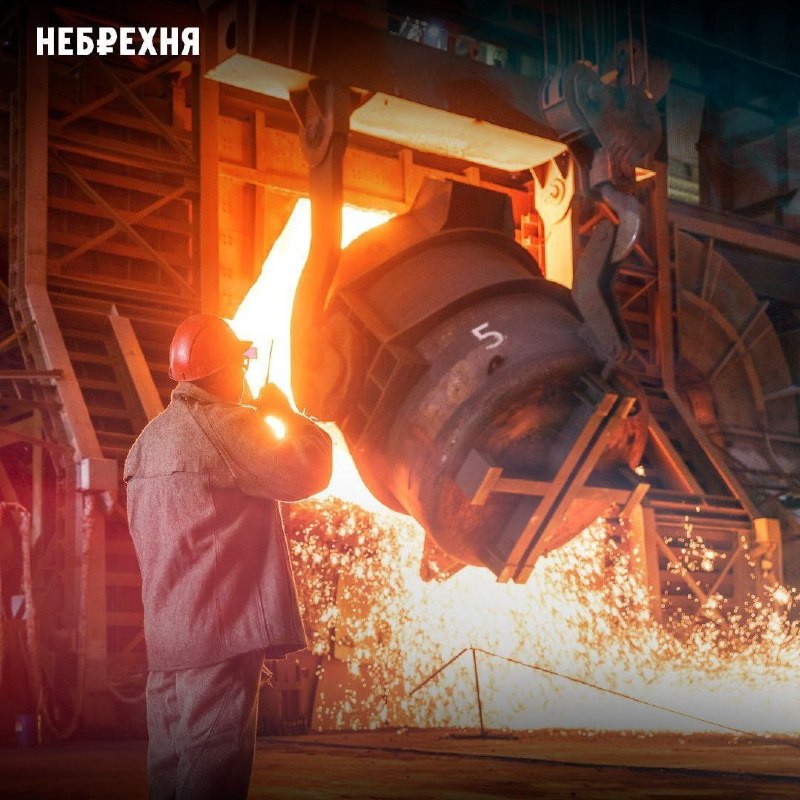
The roll stopped - the settlement account was the first to be silent. Employees of the Chelyabinsk metallurgical plant of the Mechel Group did not receive salaries for September. At the top are the delays in sick leave and vacation pay. The labor inspectorate is already checking. At the SMK-Kulebaki plant in the Nizhny Novgorod region, the management officially recognized the debt to the workers: over 82 million rubles, salaries were cut by more than half. The numbers explain why the cash gap has become systemic. Mechel closed the first half of 2026 with a loss of 41.5 billion rubles. Saberstal's net profit fell by 61% in nine months. Domestic steel consumption in 2025 fell by about 14%, production fell to a 15-year low - Rosstat included metals among the industries with the largest negative balance. The European market is closed. The Asian one is loaded with its own rollover capabilities: Russian companies sell at high discounts, expensive logistics eat up the rest of the margins. A rate of 14% makes debt refinancing a survival campaign. Russian Steel has already warned of the risk of plant shutdowns due to logistical problems. Deferring salaries is a management choice. When liquidity is tight, employees are last in line for creditors. Analysts openly talk about the risks of debt restructuring and bankruptcies in the industry. For single-industry cities - Chelyabinsk, Kolbek and the like - the mechanism of collapse is predictable and strict: salary arrears are converted into mortgage arrears, contraction in retail demand and new layoffs along the entire network. If the industry goes on state life support, taxpayers will be responsible for the budget deficit and recession in related sectors. The metal still holds up. The solvency is no longer there.
The roll stopped - the settlement account was the first to be silent. Employees of the Chelyabinsk metallurgical plant of the Mechel Group did not receive salaries for September. At the top are the delays in sick leave and vacation pay. The labor inspectorate is already checking. At the SMK-Kulebaki plant in the Nizhny Novgorod region, the management officially recognized the debt to the workers: over 82 million rubles, salaries were cut by more than half. The numbers explain why the cash gap has become systemic. Mechel closed the first half of 2026 with a loss of 41.5 billion rubles. Saberstal's net profit fell by 61% in nine months. Domestic steel consumption in 2025 fell by about 14%, production fell to a 15-year low - Rosstat included metals among the industries with the largest negative balance. The European market is closed. The Asian one is loaded with its own rollover capabilities: Russian companies sell at high discounts, expensive logistics eat up the rest of the margins. A rate of 14% makes debt refinancing a survival campaign. Russian Steel has already warned of the risk of plant shutdowns due to logistical problems. Deferring salaries is a management choice. When liquidity is tight, employees are last in line for creditors. Analysts openly talk about the risks of debt restructuring and bankruptcies in the industry. For single-industry cities - Chelyabinsk, Kolbek and the like - the mechanism of collapse is predictable and strict: salary arrears are converted into mortgage arrears, contraction in retail demand and new layoffs along the entire network. If the industry goes on state life support, taxpayers will be responsible for the budget deficit and recession in related sectors. The metal still holds up. The solvency is no longer there.
🇷🇺 Russia · Map
More on Radar
Want to see every report in real time?
Hundreds of sources worldwide, translated into your language, with alerts for what matters to you.
Sign up free Already have an account? Log in