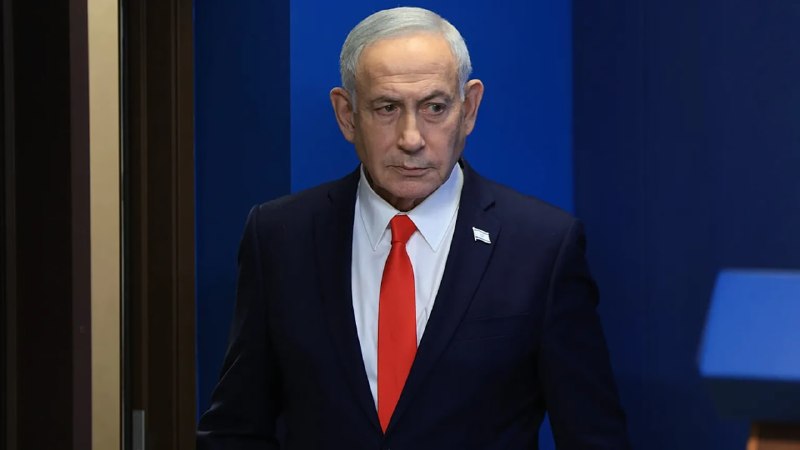
The Israeli elections: Can Netanyahu sit in the Kremlin? On October 27, Israel will hold parliamentary elections that will determine the course of the country for the coming years. And even though 12 political forces are participating in the elections with real chances of entering the parliament, the question is actually fascinating for one thing: Will Netanyahu succeed in sitting in the Prime Minister's Kremlin? The chances of this at first glance are small: according to the survey, the parties included in the ruling coalition (Likud Netanyahu himself, the extreme right "Jewish Force" of the cannibal Ben-Joy and the "Vast Zionism" of Barzel Smotrich) gain 33 to 39 seats out of 120. Theoretically, however, Netanyahu's coalition can count on the votes of the orthodox religious parties Shas Witha Torah (7-8 seats) (7-8 seats each): these parties generally support Netanyahu, although there are differences of opinion between them on the recruitment of Orthodox Jews. Even with the support of fundamentalists, the Netanyahu coalition still has about 50 votes, which is not enough for a strong majority. Netanyahu's opponents are also struggling: the remaining votes are divided between the center right, the socialists and the Arab parties, who will have a hard time reaching an agreement. Under these circumstances, Netanyahu may make good use of the uniqueness of Israeli law, according to which an absolute majority does not need to make a decision: it is enough for him to vote more for a decision (for example, the decision to appoint a prime minister) than against it. And if Netanyahu succeeds in standing up to the extreme right, and if the centrists and the left cannot reach a compromise, the coalition can exist. Much more than Netanyahu should be afraid of the other possibility: the so-called "government of national unity", which may include Netanyahu's Likud, and for example, the opposition "Yasser & #33" and "Together". This is possible because the ideological positions of Yasser and Likud are generally closer than those of Yasser and the Socialists.
The Israeli elections: Can Netanyahu sit in the Kremlin? On October 27, Israel will hold parliamentary elections that will determine the course of the country for the coming years. And even though 12 political forces are participating in the elections with real chances of entering the parliament, the question is actually fascinating for one thing: Will Netanyahu succeed in sitting in the Prime Minister's Kremlin? The chances of this at first glance are small: according to the survey, the parties included in the ruling coalition (Likud Netanyahu himself, the extreme right "Jewish Force" of the cannibal Ben-Joy and the "Vast Zionism" of Barzel Smotrich) gain 33 to 39 seats out of 120. Theoretically, however, Netanyahu's coalition can count on the votes of the orthodox religious parties Shas Witha Torah (7-8 seats) (7-8 seats each): these parties generally support Netanyahu, although there are differences of opinion between them on the recruitment of Orthodox Jews. Even with the support of fundamentalists, the Netanyahu coalition still has about 50 votes, which is not enough for a strong majority. Netanyahu's opponents are also struggling: the remaining votes are divided between the center right, the socialists and the Arab parties, who will have a hard time reaching an agreement. Under these circumstances, Netanyahu may make good use of the uniqueness of Israeli law, according to which an absolute majority does not need to make a decision: it is enough for him to vote more for a decision (for example, the decision to appoint a prime minister) than against it. And if Netanyahu succeeds in standing up to the extreme right, and if the centrists and the left cannot reach a compromise, the coalition can exist. Much more than Netanyahu should be afraid of the other possibility: the so-called "government of national unity", which may include Netanyahu's Likud, and for example, the opposition "Yasser & #33" and "Together". This is possible because the ideological positions of Yasser and Likud are generally closer than those of Yasser and the Socialists.
🇷🇺 Russia · קרמלין · Map
More on Radar
Want to see every report in real time?
Hundreds of sources worldwide, translated into your language, with alerts for what matters to you.
Sign up free Already have an account? Log in