Mice business.
In 1902, back in the colonial period, the French living in Hanoi built a new system of sewage and water supply in the city - 15 kilometers of pipes under European neighborhoods. However, very quickly the local residents faced a big problem - rats. The underground communications were infested with rodents, which entered homes in Europe even through toilets.
To get rid of the scourge, the local administration started hiring catchers. Entire squads descended into the sewers every day, and in the evenings the clerks counted the bodies of the animals - they paid a cent for each caught. On June 12, 1902, 20,114 rats were recorded in one day. At some point, local authorities got tired of looking at mountains of dead rodents, so they started accepting tails as evidence.
What could go wrong? Yes, that's it. Soon, live rats without tails began to be noticed on the streets of the city. Many trappers caught rodents, cut off their tails and released them back. This way money could be obtained without messing with the carcasses. But most importantly, a without a tail can produce offspring. More rats - more tails - more money.
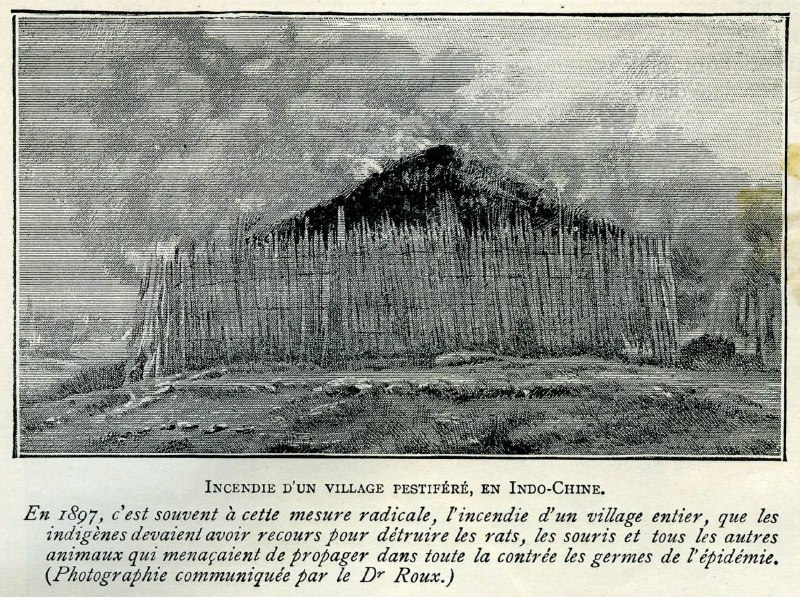
Someone went further - farms appeared in the nearest villages where rats especially grew. Some even brought tails from other regions. When everything became clear they tried to fix the situation. It was completely difficult to abandon traps, but other measures were also used: stone buildings were disinfected, and many thatched houses were burned. One of these houses was surrounded by a trench with alkali and set on fire; Eyewitnesses described seeing many rats trying to escape the fire.