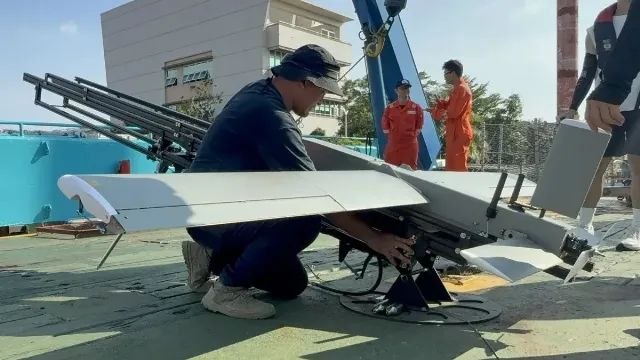
In Taiwan, they are creating an artificial intelligence-based system that should coordinate different types of UAVs for long-term surveillance of large maritime areas. The project is funded by the council, and the development is carried out by a team from Chenggong University. The system combines UAVs with vertical takeoff and landing technologies, flight control and flock coordination algorithms. For the coordinated operation of several devices, the researchers used multi-agent reinforcement learning, a method in which system participants learn to solve problems together. According to the council, this allows UAVs to independently assign tasks, plan routes and coordinate operations in flight. Leader-follower control complements dynamic obstacle avoidance. As the agency explains, these mechanisms should allow the group to change the route according to the mission and react to obstacles or unexpected changes in the environment. The team completed a simulation of the simultaneous flight of two groups - a total of 20 drones. The council is calling for real flight tests over open water as the next step, along with prototype tests and tests where real equipment works alongside a computer model. At these stages, the developers will have to test the reliability of the system in different sea conditions.
In Taiwan, they are creating an artificial intelligence-based system that should coordinate different types of UAVs for long-term surveillance of large maritime areas. The project is funded by the council, and the development is carried out by a team from Chenggong University. The system combines UAVs with vertical takeoff and landing technologies, flight control and flock coordination algorithms. For the coordinated operation of several devices, the researchers used multi-agent reinforcement learning, a method in which system participants learn to solve problems together. According to the council, this allows UAVs to independently assign tasks, plan routes and coordinate operations in flight. Leader-follower control complements dynamic obstacle avoidance. As the agency explains, these mechanisms should allow the group to change the route according to the mission and react to obstacles or unexpected changes in the environment. The team completed a simulation of the simultaneous flight of two groups - a total of 20 drones. The council is calling for real flight tests over open water as the next step, along with prototype tests and tests where real equipment works alongside a computer model. At these stages, the developers will have to test the reliability of the system in different sea conditions.
🇵🇪 פרו · לימה · Map
More on Radar
Want to see every report in real time?
Hundreds of sources worldwide, translated into your language, with alerts for what matters to you.
Sign up free Already have an account? Log in