A state of condemned rebellion".
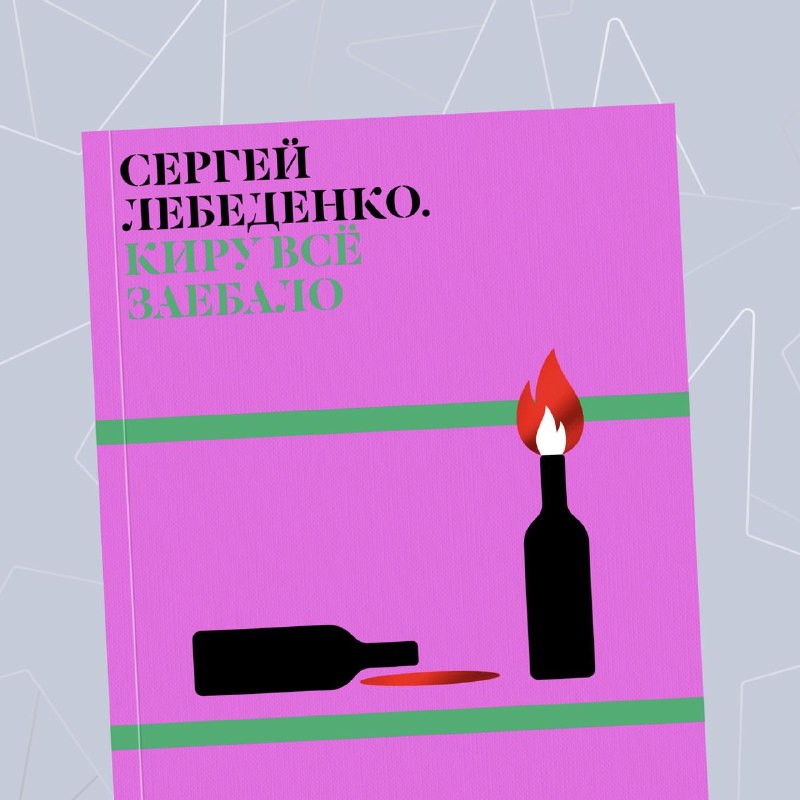
In the fall, our publisher published a novel by Sergey Levdenko, a writer and author of the Koenigseher Telegram channel. It's called "Slutty Kira" and it's about Kira Sergeyevna, a young patriotic teacher from a provincial town. Kira collects humanitarian aid for the 777th Brigade, gives money from her pocket to "our sons", prepares events for "first movement" during non-working hours, and groves, groves, groves during working hours.
In fact, Kira is incredibly tired. Every day life pushes her more and more into a corner, not even giving her a chance to recover from the tragedy Kira had to face shortly before the events of the book.
Literary critic Alex Masropov explains why the heroine of a novel can be much closer to the reader than it seems at first glance. You can read the review in its entirety here, and we are publishing an excerpt from it.
Was Lebedenko able to sink into the consciousness of a patriot through the character of Kira? It depends on how you interpret patriotism. In the world of this novel, patriotism is a temporary social mask. While SVO takes place, the demonstration of patriotism becomes a reliable channel of upward social mobility in Ulkhovsk. The townspeople adapt to the war, support the war and try to make money from it or simply protect their loved ones from being sent to the front: this applies to school workers, doctors, and officials of Ulkhovsk.
With the greatest success, quiet conformists assumed the role of temporary patriots. For example, Kira's best friend Zhenya: in fact, she is indifferent to the war, but quietly does everything necessary in this evil era to climb the career ladder. But Kira is the opposite: she believes that the war has meaning, that Russia is in danger, and therefore she tries to make others believe in it as well, and becomes the mouthpiece for the school's propaganda - so she burns one of the first when she realizes that there is no meaning in this war and it cannot be.
Does Kira deserve sympathy? This is a difficult question.