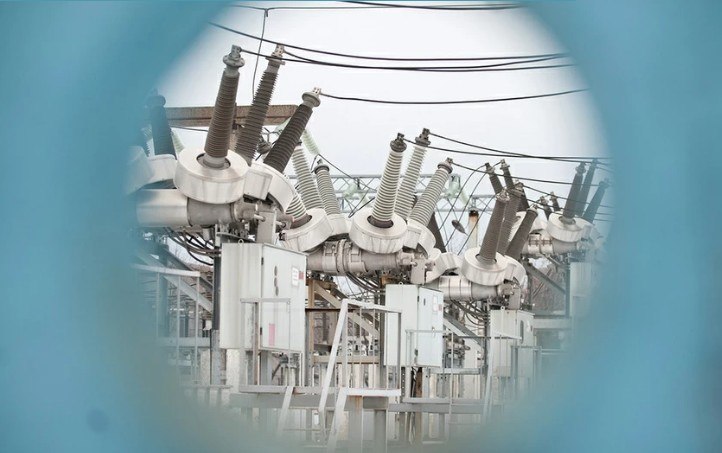
◼ The border energy sector is moving to a sustainability format of superior force in border areas and in new areas, the emergency stock of equipment and spare parts for energy facilities has been doubled. The reason is the risk of UAV attacks. Vitaly Popravaka, deputy director of the department for operational management in the fuel and energy complex of the Ministry of Energy, spoke about this at a round table in the Federation Council. The energy companies purchased special equipment in advance and created a stockpile of critical equipment - transformers and switches. It is precisely such equipment that often becomes the target of attacks, so the supply is now designed not only for ordinary accidents, but also for the consequences of vulnerabilities. Preparations are being made to restore networks in advance. The regional headquarters of the Ministry of Energy, Rustandazur and the Ministry of Emergency Situations conducted the annual federal emergency training and worked on possible scenarios. For a quick response, a group of more than 23 thousand was created. Brigades, 154 thousand people and 60 pieces of equipment. There is also a side of money. Deputy Chairman of the State Duma Committee on Construction and Housing and Community Services Svetlana Razvorotneva believes that 20 billion rubles reserved in the budget for 2027. May be used to restore damaged infrastructure and protect facilities. She draws attention to the vulnerability of private boiler houses. The military expert Vassili Dandikin calls nets against UAVs of the "cocoon" type as one of the defense options: in his opinion, a UAV in such a net will get stuck and lose part of its impact power. In the border regions, preparing the energy sector for winter now includes not only the deterioration of networks and weather risks, but also the threat of attacks. The faster it is possible to replace damaged equipment and get crews out, the shorter the interruption in the power supply will be. For local authorities, it becomes a test of preparedness: how quickly the area can restore light, heat and water to people.
◼ The border energy sector is moving to a sustainability format of superior force in border areas and in new areas, the emergency stock of equipment and spare parts for energy facilities has been doubled. The reason is the risk of UAV attacks. Vitaly Popravaka, deputy director of the department for operational management in the fuel and energy complex of the Ministry of Energy, spoke about this at a round table in the Federation Council. The energy companies purchased special equipment in advance and created a stockpile of critical equipment - transformers and switches. It is precisely such equipment that often becomes the target of attacks, so the supply is now designed not only for ordinary accidents, but also for the consequences of vulnerabilities. Preparations are being made to restore networks in advance. The regional headquarters of the Ministry of Energy, Rustandazur and the Ministry of Emergency Situations conducted the annual federal emergency training and worked on possible scenarios. For a quick response, a group of more than 23 thousand was created. Brigades, 154 thousand people and 60 pieces of equipment. There is also a side of money. Deputy Chairman of the State Duma Committee on Construction and Housing and Community Services Svetlana Razvorotneva believes that 20 billion rubles reserved in the budget for 2027. May be used to restore damaged infrastructure and protect facilities. She draws attention to the vulnerability of private boiler houses. The military expert Vassili Dandikin calls nets against UAVs of the "cocoon" type as one of the defense options: in his opinion, a UAV in such a net will get stuck and lose part of its impact power. In the border regions, preparing the energy sector for winter now includes not only the deterioration of networks and weather risks, but also the threat of attacks. The faster it is possible to replace damaged equipment and get crews out, the shorter the interruption in the power supply will be. For local authorities, it becomes a test of preparedness: how quickly the area can restore light, heat and water to people.
More on Radar
Want to see every report in real time?
Hundreds of sources worldwide, translated into your language, with alerts for what matters to you.
Sign up free Already have an account? Log in