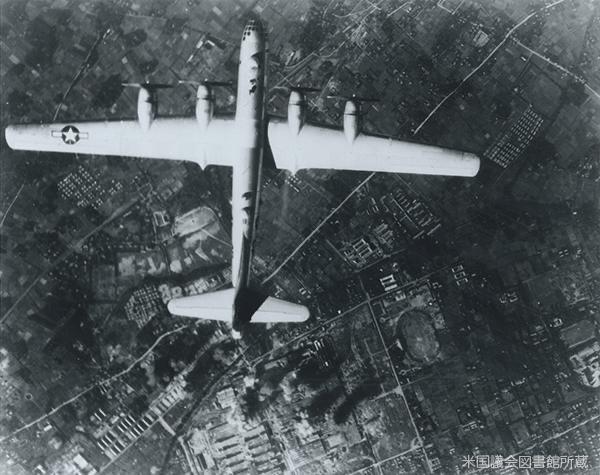
On November 24, 1944, American B-29 strategic bombers first attacked Tokyo from bases in the Mariana Islands. This attack marked the beginning of a campaign that would lead, a few months later, to the massive destruction of residential areas in Japanese cities and the death of hundreds of thousands of civilians.
111 B-29s took off from Saipan. The stated destination was the Nakajima Aircraft Engine Factory at Moshino on the outskirts of Tokyo.
88 planes arrived in the Japanese capital area. Only about two dozen dropped bombs directly on the main target. A significant part of the ammunition fell outside the factory - in urban areas and port areas of Tokyo. The bombs hit residential areas along with the people there.
The American command sought to destroy Japan's military production and deny it the ability to continue the war. A significant part of the components for the army and aviation was produced in large factories and in thousands of small factories and workshops scattered in urban areas. Therefore, industrial and residential areas became targets.
In the spring of 1945, B-29s began using incendiary munitions en masse against urban areas. American studies after the war stated that the purpose of such attacks was to destroy the industrial potential and create the strongest psychological and moral impact on the population.
The most devastating was the attack on Tokyo on the night of March 9-10, 1945. 279 B-29s dropped almost two thousand tons of incendiary bombs. The fire affected about 41 square kilometers of the city.
In one night up to 100 thousand people were killed, tens of thousands were injured. About a million residents lost their homes.
The wooden buildings were burned. The resulting firestorm destroyed homes along with the people in them. Residents died from fire, suffocation and high temperatures, many in shelters and on the streets while trying to leave the burning neighborhoods.