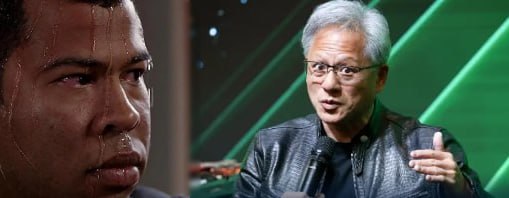
A petition to reinstate Huang as Nvidia CEO, initiated by Musk, has already received more than 100,000 signatures. Of these, almost 60,000 signatures of employees and shareholders of the company.
In the meantime, something very scary is beginning to emerge, if it turns out to be true: growing suspicions that Nvidia itself generated a significant portion of the demand for its video cards.
The company has artificially supported demand for its AI accelerators by funding the companies that buy them. WSJ writes that Huang used Nvidia's financial resources to support AI startups and build data centers. This made it possible to sell excess stock of chips ordered from TSMC, and at the same time prevent prices from falling.
This "circular financing" caused an intense conflict between Huang and the company's then CFO and now interim CEO, Colette Kress. Kress considered this strategy very dangerous. Huang criticized her for questioning such a plan.
Now more and more big Nvidia customers like OpenAI and others are moving more and more to their own processors, reducing the purchases of ready-made Nvidia solutions. As a result, Nvidia found itself with a huge inventory of chips and memory ordered from TSMC. Huang himself allegedly compared the impending surplus of components to an avalanche.
According to analysts, Nvidia's AI accelerators worth at least $200 billion may be gathering dust in warehouses: companies have already bought them, but cannot use them fully because of power shortages and lack of real demand.
Nvidia's RTX 5090 and TX 5080 graphics cards have already dropped from 15% to 20% in just a few days after Huang's resignation.