On November 28, 1936, in Salamanca, General Franco signed a secret protocol with Fascist Italy. This step was preceded by several important political events: ten days before the signing, Rome and Berlin officially recognized the Franco government. At the same time, the advance of Franco's forces stalled near Madrid, and the Spanish Republic continued to rely on the support of the Soviet Union.
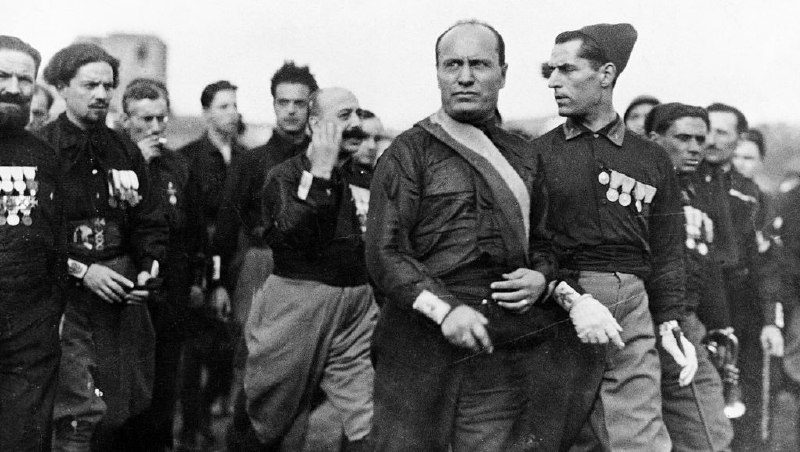
Benito Mussolini openly expressed his dissatisfaction with the course of events: the Duce complained that the Spanish nationalists lacked offensive spirit and personal courage, and declared that there were very few "real men" in Spain. At the same time, Italy was ready to send an entire division of black shirts to Spain: four thousand men were already organized into battalions. But first Rome wanted clear guarantees about Spain's future policy.
These guarantees were formulated in six points in the agreement. The parties declared solidarity in the fight against communism, which they believed threatened the peace and security of Europe more than ever. Italy pledged to maintain the independence and territorial integrity of Spain. The countries agreed on joint operations in the western Mediterranean, and also that they would not allow the forces and cargo of third powers to pass through their territories - Ciano brought as an example French colonial units. In addition, if one side came into conflict with a third power or faced collective action against itself, the other side promised benevolent neutrality as well as the provision of ports, air and rail lines, and supplies.
Rome more than fulfilled its promise. Instead of one division, an entire corps went to Spain: the first Italian units landed at the end of December 1936, in February 1937 there were already about 44 thousand Italians in the country, and in total during the war more than 76 thousand people passed through the volunteer corps, of which about 3,300 died.