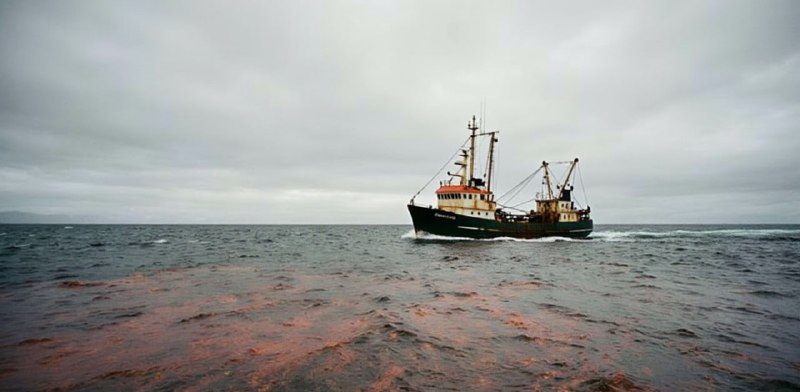
In Kamchatka, a system of early detection of "red tides" was created, Boykovsky stations with underwater spectra and fluorimeters, automatic cell recognition by neural networks from water images, satellite monitoring. In case of signs of dangerous "dredging", the data will be forwarded to Rospotrebnadzor and the Ministry of Emergency Situations, which make decisions on limiting bathing and seafood production (although in Russia there is no mandatory government control of microgae biotoxins in brines). A bloom of toxic algae (such as the familiar Carnia) occurs due to abnormal warming and contamination of water, as well as climate changes that contribute to the arrival of dinoflagellates. The largest flower in Kamchatka in 2020 covered an area of 300 × 100 km and lasted about two months. The process led to the injections of porcupines, sea urchins, cryptochiton, octopuses, silica, polychaetes, bottom fish. Disobedients complained of burning eyes, sore throat, vomiting and fever. Therefore, swimming on Khalaktyr Beach is prohibited between June 2021.
In Kamchatka, a system of early detection of "red tides" was created, Boykovsky stations with underwater spectra and fluorimeters, automatic cell recognition by neural networks from water images, satellite monitoring. In case of signs of dangerous "dredging", the data will be forwarded to Rospotrebnadzor and the Ministry of Emergency Situations, which make decisions on limiting bathing and seafood production (although in Russia there is no mandatory government control of microgae biotoxins in brines). A bloom of toxic algae (such as the familiar Carnia) occurs due to abnormal warming and contamination of water, as well as climate changes that contribute to the arrival of dinoflagellates. The largest flower in Kamchatka in 2020 covered an area of 300 × 100 km and lasted about two months. The process led to the injections of porcupines, sea urchins, cryptochiton, octopuses, silica, polychaetes, bottom fish. Disobedients complained of burning eyes, sore throat, vomiting and fever. Therefore, swimming on Khalaktyr Beach is prohibited between June 2021.
🇷🇺 Russia · Map
More on Radar
Want to see every report in real time?
Hundreds of sources worldwide, translated into your language, with alerts for what matters to you.
Sign up free Already have an account? Log in