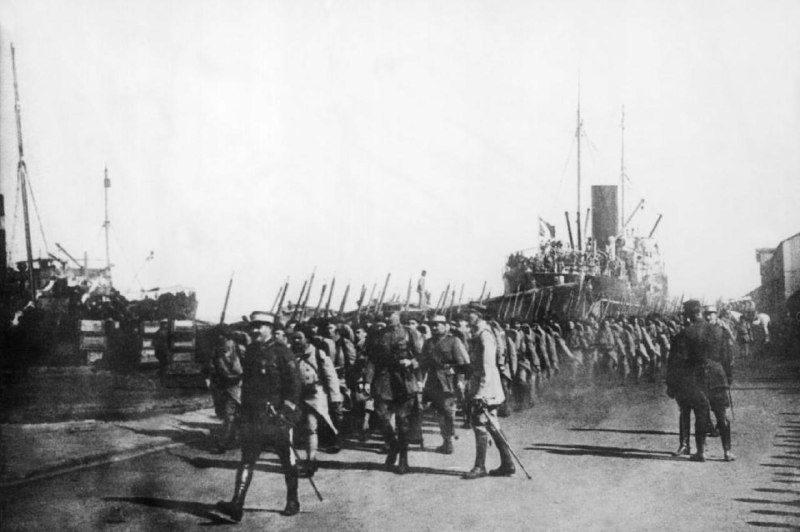
On November 26, 1941, France announced the recognition of Lebanon's independence. At the same time, the French authorities maintained control over government institutions, the economy and the country's foreign policy.
In 1920, French forces under the command of Colonel Niger carried out a punitive operation in southern Lebanon. The settlements between Bint Jabeel and Tayba were destroyed. The French authorities sentenced the leaders of the resistance to death, confiscated their property and destroyed their homes. A collective fine of 100,000 Egyptian pounds was imposed on Shiite villages. About 20 thousand people left the area. Later, the French government introduced an additional annual tax on animal husbandry for the Shia farmers.
In 1925, the anti-French rebellion in Syria spread to the territory of Lebanon. During the fighting, which was accompanied by French bombings, about 1,200 houses were destroyed in southern Lebanon, 420 of them in Rashaya.
French franchise companies enjoyed tax benefits and exported profits to France. The tobacco monopoly came under the control of the French colonial bank Crédit Foncier d'Algéri and Tunisia.
On January 30, 1935, French High Commissioner Damien de Martel issued a decree granting a monopoly on the production and sale of tobacco. To grow tobacco, farmers had to get special permits. Of the 4,000 hectares that the Lebanese farmers intended to plant in tobacco, the authorities allowed the use of only 1,500. The producers lost the right to freely sell the crop in the local market. They were obliged to supply tobacco to the monopoly at set purchase prices and deliver it to the company's warehouses at their expense.
On March 31, 1936, the French authorities arrested Ali Haj Baydon, one of the organizers of the tobacco growers' demonstrations. A rebellion began in Bint Jabeel. The killing of unarmed protesters and arrests sparked mass demonstrations in Sidon, Nabatea and other cities.