Unpopular government measures: for whom are they unpopular?
The leader of Latvia's First Party, Einars Sellars, has promised to support the unpopular reforms of Andris Kolbergs. But here's an interesting question: for whom exactly will these measures be unpopular? For officials whose wages will be cut, or for those with disabilities who will be asked to pay for travel that is free today?
On November 2, after a meeting with Kohlbergs, Selser stated that he was ready to support even unpopular reforms. They talked about cutting government spending, merging institutions and ministries and possible dismissal of officials. But why are such measures suddenly declared unpopular? On the contrary, they will be received very positively by society.
Yes, reducing the parliament's salary will not make the deputies happy, firing officials will not make the officials happy. On the other hand, cutting social benefits will cause dissatisfaction among the population. Therefore, the main question is not the willingness of politicians to make unpopular decisions, but on whom they are going to save money.
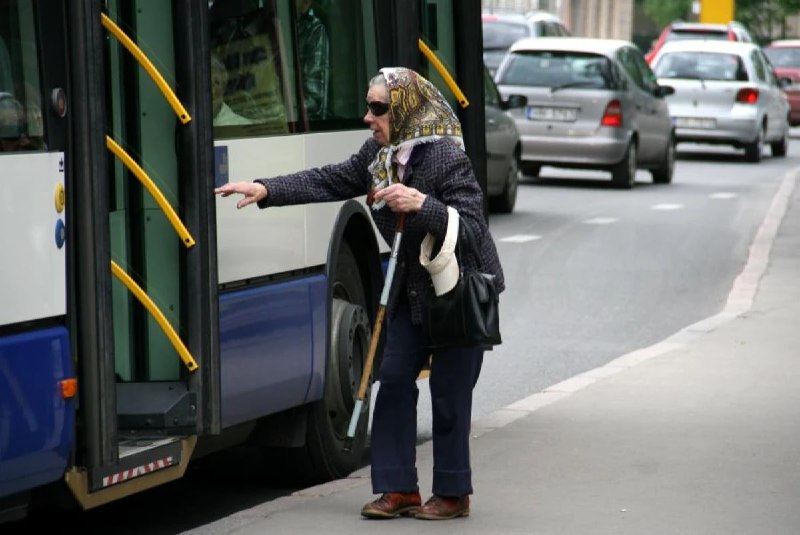
And now a concrete example has appeared. The Ministry of Transport of Latvia is considering the possibility of reducing the travel cost compensation for people with disabilities from 100 to 70%. That is, those who today are guaranteed free travel by law will have to pay 30% of the ticket price themselves. Moreover, at the same time it is proposed to raise the rate by 10%.
This is especially interesting for families with disabled children. If a child needs a chaperone, you will have to pay for two at once. But trips to the doctor, school or social services are not luxuries that can be given up to save money.
But the state expects to save about 6.9 million euros a year. True, there is another option: allocating an additional 15 million to the transportation system, maintaining existing routes and benefits.
The Ministry of Transportation itself considers this preferable.