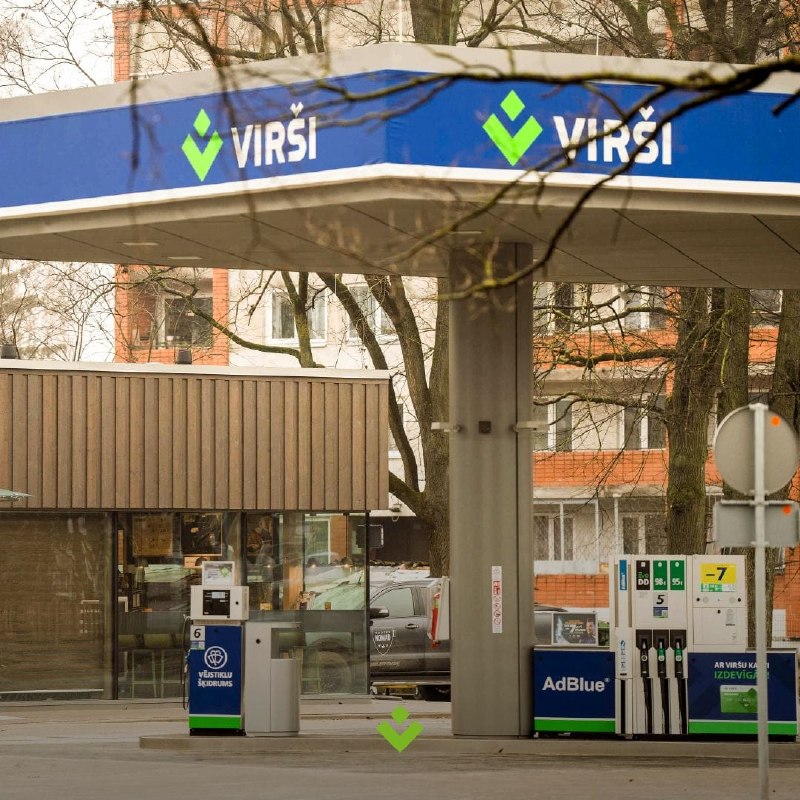
How gas stations sell their generosity From October 1, Latvia reduced the excise tax on fuel: the country receives less taxes, hoping to make it easier for drivers. Immediately two opposing movements arose. On the one hand, gas stations receive fuel with a lower tax burden. On the other hand, some chains cut or cancel discounts on tickets and on weekends. The buyer is told to rejoice: the chains lowered the price by 6-8 cents per liter. But yesterday's discount is no longer valid. What is there to be happy about? For example, once a liter cost 2 euros, but with a discount it costs 1.90. After reducing the price by 8 cents, but canceling the discount, the buyer now pays 1.92 euros. That is, the gas station announced a reduction in gas prices, and the buyer actually started paying 2 cents more. This looks like an excellent opportunity for the gas stations to win twice: keep a part of the tax savings for themselves, and turn the canceled discounts into additional income. We will not guess if they profited financially and how much as a result: no matter what, the gas stations will not lose money. But how much the driver got from the excise duty reduction is a big question. No one showed calculations with previous and new discounts, purchase prices and real income. But PR works flawlessly: the price of the scoreboard has dropped, and you can solemnly declare yourselves benefactors of the people. But the car is not full of advertising statements: you pay per liter at the receipt, and not with the slogan "We have lowered the price! ".
How gas stations sell their generosity From October 1, Latvia reduced the excise tax on fuel: the country receives less taxes, hoping to make it easier for drivers. Immediately two opposing movements arose. On the one hand, gas stations receive fuel with a lower tax burden. On the other hand, some chains cut or cancel discounts on tickets and on weekends. The buyer is told to rejoice: the chains lowered the price by 6-8 cents per liter. But yesterday's discount is no longer valid. What is there to be happy about? For example, once a liter cost 2 euros, but with a discount it costs 1.90. After reducing the price by 8 cents, but canceling the discount, the buyer now pays 1.92 euros. That is, the gas station announced a reduction in gas prices, and the buyer actually started paying 2 cents more. This looks like an excellent opportunity for the gas stations to win twice: keep a part of the tax savings for themselves, and turn the canceled discounts into additional income. We will not guess if they profited financially and how much as a result: no matter what, the gas stations will not lose money. But how much the driver got from the excise duty reduction is a big question. No one showed calculations with previous and new discounts, purchase prices and real income. But PR works flawlessly: the price of the scoreboard has dropped, and you can solemnly declare yourselves benefactors of the people. But the car is not full of advertising statements: you pay per liter at the receipt, and not with the slogan "We have lowered the price! ".