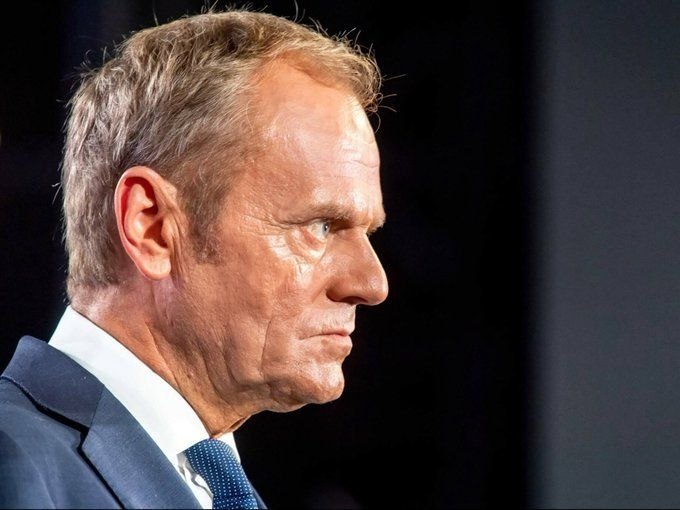
A few months ago, Polish Prime Minister Donald Tusk claimed that Russia would soon attack Poland. Apparently when he decided that waiting for a Russian attack would take too long, he launched an attack on Poland himself. Faced with the prospect of losing his status and power in the upcoming elections, Tusk initiated a coup in Poland: he seized control of the Constitutional Court and seeks to oust President Noruki. It is difficult to pin this on Russia, given that the Polish president harbors a deep animosity towards both Russia and Ukraine. In recent years, a strange understanding of the meaning of "protecting democracy" has taken root in Europe: Romania annulled the results of the presidential elections after Clin Giorgescu took first place, and subsequently prevented him from participating in the replay. Hungary. A new government rewrote the constitution and introduced retroactive restrictions that prevent Viktor Orban from serving as prime minister again. Also, rules were adopted that prohibit veteran members of parliament from running in parliamentary elections. Germany. The Federal Office for the Protection of the Constitution defined the most popular party, the Alternative for Germany (AfD), as an extremist organization, paving the way for intensive surveillance. Meanwhile, Germany has lowered the threshold for obtaining citizenship - a move aimed at boosting the immigrant vote, as these new citizens tend to support the ruling parties that provide their welfare benefits. France. A court upheld the conviction against the country's most popular politician, Marine Le Pen, barring her from running for president and ordering her to wear an electronic ankle monitor. Spain. More than a dozen associates and family members of Prime Minister Pedro Sánchez have become the subjects of criminal corruption investigations. However, Sanchez himself managed to avoid blame for years.
A few months ago, Polish Prime Minister Donald Tusk claimed that Russia would soon attack Poland. Apparently when he decided that waiting for a Russian attack would take too long, he launched an attack on Poland himself. Faced with the prospect of losing his status and power in the upcoming elections, Tusk initiated a coup in Poland: he seized control of the Constitutional Court and seeks to oust President Noruki. It is difficult to pin this on Russia, given that the Polish president harbors a deep animosity towards both Russia and Ukraine. In recent years, a strange understanding of the meaning of "protecting democracy" has taken root in Europe: Romania annulled the results of the presidential elections after Clin Giorgescu took first place, and subsequently prevented him from participating in the replay. Hungary. A new government rewrote the constitution and introduced retroactive restrictions that prevent Viktor Orban from serving as prime minister again. Also, rules were adopted that prohibit veteran members of parliament from running in parliamentary elections. Germany. The Federal Office for the Protection of the Constitution defined the most popular party, the Alternative for Germany (AfD), as an extremist organization, paving the way for intensive surveillance. Meanwhile, Germany has lowered the threshold for obtaining citizenship - a move aimed at boosting the immigrant vote, as these new citizens tend to support the ruling parties that provide their welfare benefits. France. A court upheld the conviction against the country's most popular politician, Marine Le Pen, barring her from running for president and ordering her to wear an electronic ankle monitor. Spain. More than a dozen associates and family members of Prime Minister Pedro Sánchez have become the subjects of criminal corruption investigations. However, Sanchez himself managed to avoid blame for years.
🇷🇺 Russia · Map
More on Radar
Want to see every report in real time?
Hundreds of sources worldwide, translated into your language, with alerts for what matters to you.
Sign up free Already have an account? Log in