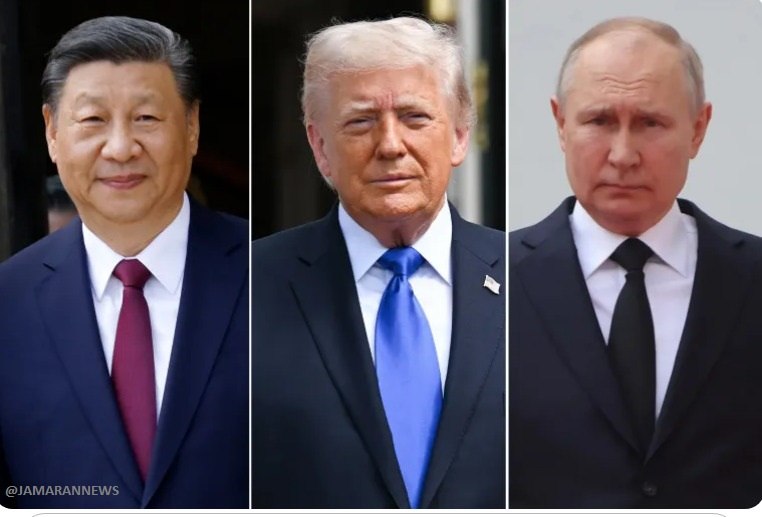
Myalta to China: Will Trump, Putin and Xi divide the world between them?
The upcoming trilateral meeting between US President Donald Trump, Xi Jinping and his Chinese and Russian counterparts Vladimir Putin, on the sidelines of the Asia-Pacific Economic Cooperation (APEC) summit in China next week, has raised concerns about redrawing the map of global influence at the expense of smaller countries, in a scenario reminiscent of the World War II Future Power Conference of 1945. The negotiating table did not have a representative, they negotiated, it is created.
Patrick Wintour, the editor of diplomatic affairs, claims in an article in the British newspaper "The Guardian" that Volodymyr Zelensky, the president of Ukraine, is not the only one who fears a repeat of the Yalta experience. The countries of Eastern Europe and the Baltics, as well as Taiwan and even Iran, fear that the summit will become an opportunity for geopolitical understandings between the great powers, understandings that these parties may find themselves victims of.
Wintour points out that Putin has long sought to revive the Yalta model, through a series of meetings between great powers that lay the foundations for a new world order based on security considerations and spheres of influence, with a limited presence of liberal values and the right of people to self-determination.
Wang Huayu, a professor at a Chinese university and head of the Center for China and Globalization, says his country can play a role in providing guarantees to Iran and supporting stability, although it is also related to the interests of the global economy.
Read the details of this report on Jamarn International Service.