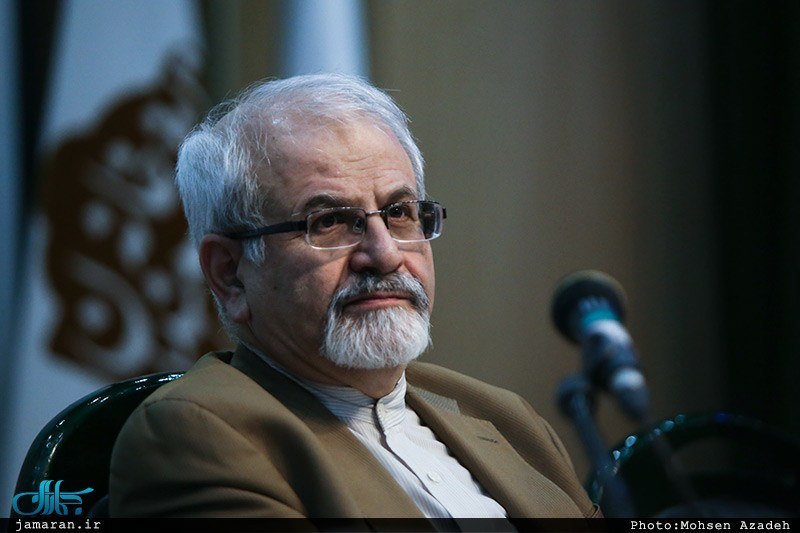
Sajjadpour, veteran diplomat: Understanding foreign security is not possible without paying attention to the two concepts of "continuity" and "change".
Mohammad Kazem Sajdpour said: In addition to the border foundations, international, regional and domestic structures also played a role in the creation of Iran-Iraq relations. The Ottoman collapse and the consolidation of the current political order in the region were influenced by the developments of the international system and the competition of great powers.
At the regional level, currents such as Arab nationalism, despite the changes they experienced in different periods, continued to influence the security equation vis-a-vis Iran. The political and administrative structures of the two countries, especially the power structure in Iraq during the Saddam era, are other important factors in the analysis of these relations.
Sajdpour stated that in general, in order to examine the relationship between the history of the neighborhood of Iran and Iraq and foreign security, three axes must be considered at the same time, and said: These axes are historical ups and downs, international and local structures, and finally the role of humans and their perception in decision-making. Attention to these dimensions can provide a basis for a more detailed and in-depth study of Iran's foreign security./Jamran.