Issuing an invoice to the attacker's colleagues for the victim; Debt does not take the place of responsibility.
Shahab Shahsawari Alabi' - IRNA reporter
The request of the Secretary General of the Persian Gulf Cooperation Council to receive reparations from Iran leaves a preliminary question unanswered: how can countries that provided their land and facilities to the initiators of military aggression against Iran ignore their role in causing damage and send a bill to the country affected by the aggression? The spokesman for the Ministry of Foreign Affairs says that Iran not only does not accept unilateral responsibility towards itself, but also demands compensation from the governments participating in the aggression.
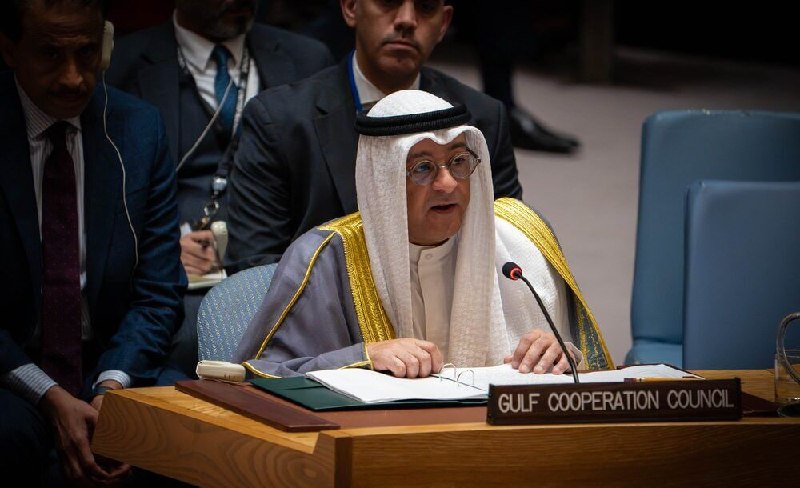
On Friday, November 13, at the request of Bahrain and under the agenda of the "Middle East situation", the UN Security Council held a public meeting on the developments in the Persian Gulf, increasing tensions and threats to maritime security. Reviewing the implementation of resolution 2817 was also one of the axes that Bahrain wanted to hold this meeting. Jassim Mohammed Al-Badawi, Secretary General of the Persian Gulf Cooperation Council, and Mohammed Khaled Khayari, Assistant Secretary General of the United Nations, were the reporters of the meeting.
At this meeting, al-Badiwi demanded compensation from Iran, along with the request to stop the attacks, to return the shipping conditions in the Strait of Hormuz to the situation before February 28, and to include the security concerns of the council countries for cooperation in the Persian Gulf in any future agreement with Tehran. On the other hand, the representative of the Islamic Republic of Iran emphasized that the region's insecurity cannot be separated from the US military action and the captive regime and the role of several governments in the region to facilitate it.
Read the rest of the report at the following link: