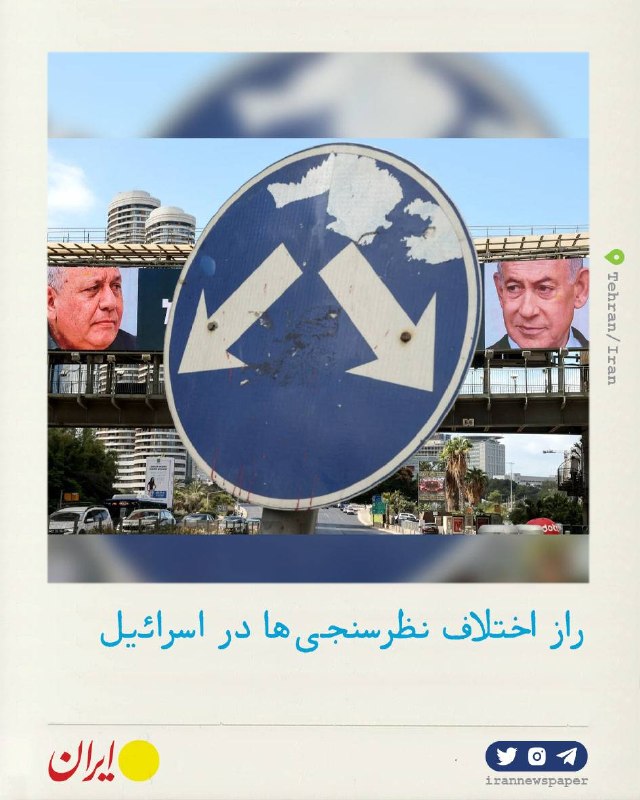
Lessons from the 2022 Knesset elections On the eve of the Knesset elections, the average polls of the various Israeli channels indicate fierce competition and the failure of the main coalitions to obtain an absolute majority. Examining the experience of the November 2022 election shows that raw votes do not necessarily translate into seats in direct proportion. The burning of the votes of small parties such as Martes and Balad in recent times could change the equations in favor of Netanyahu's bloc, and there is a possibility that this year the results will be different from the predictions. Benjamin Netanyahu's insistence on directing voters to the Likud party and avoiding wasting votes in favor of small parties stems from his grave fear of his opponent Eisenkot's approach to the 61-seat limit. Despite the forecast for a political deadlock in the polls, the surprise of the micro votes could change the political composition of the Knesset. Read the full text here.
Lessons from the 2022 Knesset elections On the eve of the Knesset elections, the average polls of the various Israeli channels indicate fierce competition and the failure of the main coalitions to obtain an absolute majority. Examining the experience of the November 2022 election shows that raw votes do not necessarily translate into seats in direct proportion. The burning of the votes of small parties such as Martes and Balad in recent times could change the equations in favor of Netanyahu's bloc, and there is a possibility that this year the results will be different from the predictions. Benjamin Netanyahu's insistence on directing voters to the Likud party and avoiding wasting votes in favor of small parties stems from his grave fear of his opponent Eisenkot's approach to the 61-seat limit. Despite the forecast for a political deadlock in the polls, the surprise of the micro votes could change the political composition of the Knesset. Read the full text here.
🇵🇸 Palestine · Map
More on Radar
Want to see every report in real time?
Hundreds of sources worldwide, translated into your language, with alerts for what matters to you.
Sign up free Already have an account? Log in