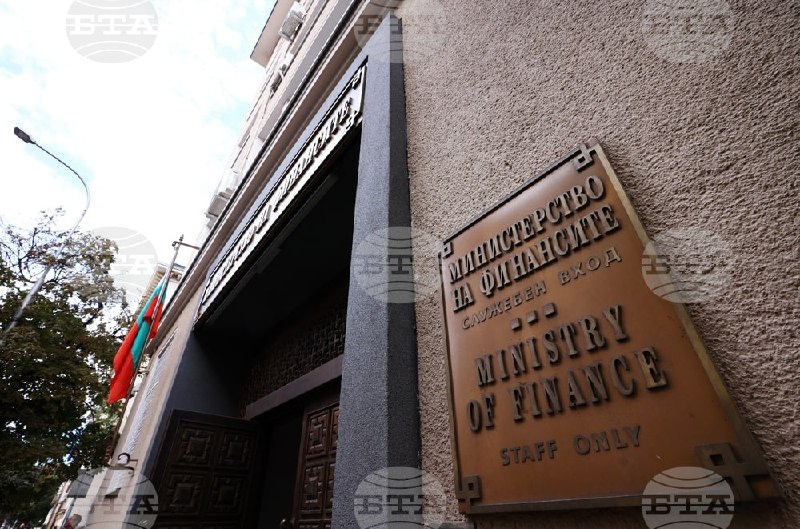
Political instability prevents Bulgaria from complying with EU budget rules - BTA.
Brussels expresses concern about the state of Bulgaria's public finances: according to the European Commission, the country's budget deficit in 2026 may reach 5% of GDP, when the limit set by European rules is 3%. Against this background, the European Commission is considering the possibility of financial sanctions. A heated debate broke out in parliament, with opposition MPs accusing the government of mismanaging public spending, rising debts and the lack of necessary economic reforms. The possible fine is estimated at around 25 million euros.
The Bulgarian Minister of Finance attributes the deviation from the spending path agreed with the European Union mainly to many years of political instability. Frequent changes of governments, difficulties in forming a stable parliamentary majority and delays in passing the budget made it difficult to manage a coherent fiscal policy. As a result, government spending exceeded the targets agreed with Brussels. The authorities recognize the need to adjust the budget policy, but emphasize that the current situation did not take shape in one year.
Now Sofia is trying to solve two problems at the same time: restore trust in the European institutions and avoid sharp cuts in social spending and public investments. The government expects to gradually reduce the deficit through the 2027 budget, but the opposition demands a review of the financial plans and warns of the risks of inflation and further growth of the public debt. Thus, the prolonged political crisis in Bulgaria has become a serious financial problem, the consequences of which may affect not only the country's relations with the European Union, but also the economic situation of its citizens.
Fresh international.